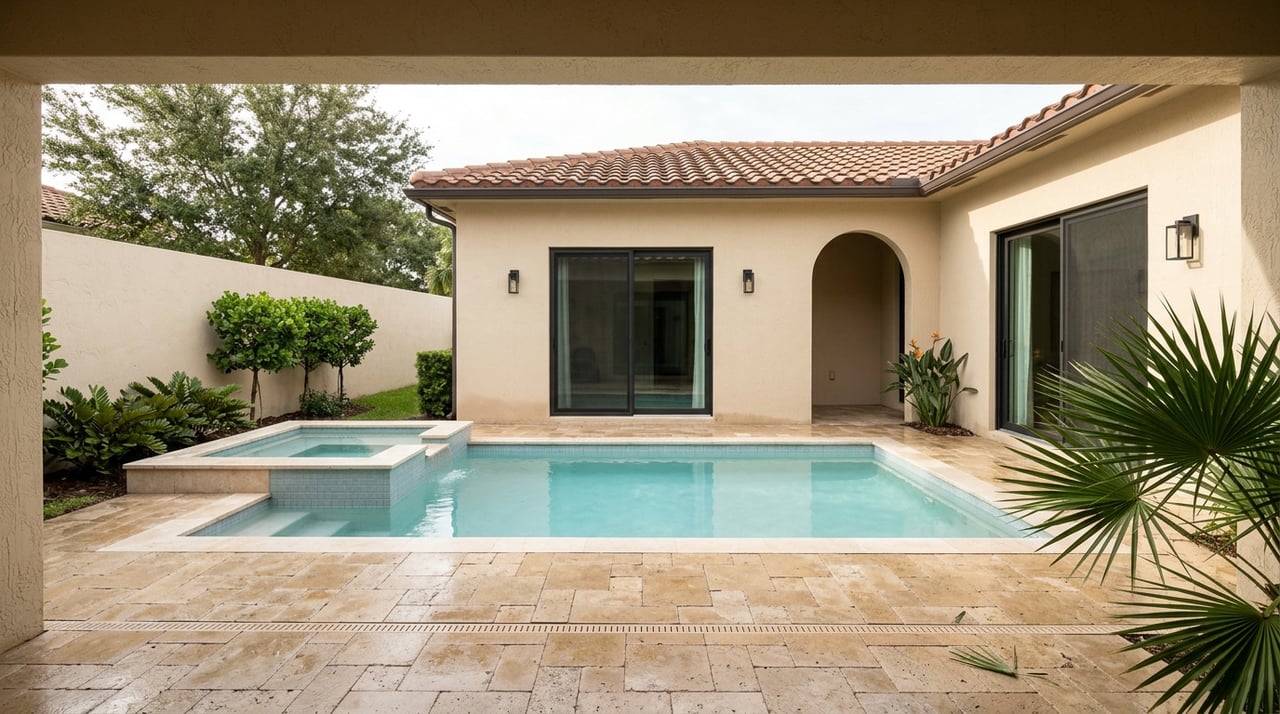
How Tampa Bay’s Seasons Impact Buying And Selling Homes
April 16, 2026
April 16, 2026
If you have ever wondered whether there is a "best" time to buy or sell in Tampa Bay, the short answer is yes, but probably not for the reason you think. In Hillsborough County, the biggest seasonal changes tend to show up in buyer activity, inventory, and how quickly homes move, not in dramatic price swings. If you are planning a move in Tampa or the surrounding area, understanding that rhythm can help you time your strategy with more confidence. Let’s dive in.
Tampa Bay real estate has a clear seasonal cycle. Local data shows activity ramps up in spring, stays busy into early summer, slows in late summer and fall, and often feels calmer in winter.
According to Hillsborough County single-family market data from Florida Realtors, closed sales rose from 825 in January 2025 to 1,377 in March and reached 1,472 in June. By comparison, activity eased to 1,203 in September and 1,157 in December.
That pattern matters because it changes what your experience feels like. In spring, you are usually dealing with more competition and more urgency. Later in the year, you may see a slower pace and a little more room to negotiate.
For both buyers and sellers, spring is usually the busiest season in Tampa Bay. More homes hit the market, more buyers are actively searching, and contracts tend to come together faster.
In Hillsborough County, new listings climbed from 1,643 in February to 1,998 in March, 2,126 in April, and 2,054 in May, based on the same Florida Realtors local reports. That gives buyers more choices, but it also brings more competing offers and more pressure to act quickly on well-priced homes.
For sellers, this is often the season with the strongest visibility. National research from Realtor.com identified the week of April 13-19 as the best week to list based on demand, pace, and competition, which lines up well with Tampa Bay’s local spring surge.
If you are buying in spring, expect a faster-moving market. In April 2025, the median time to contract in Hillsborough County was 31 days, compared with 51 days in December, according to the year-end county report.
That does not mean you should rush blindly. It means you should prepare early, know your budget, and be ready to evaluate homes efficiently when the right one appears.
If you are selling, spring can offer a larger audience right away. More active buyers often means more showings, quicker feedback, and a better chance of attracting strong interest early.
Still, pricing matters. Even in a busy season, buyers respond best to homes that enter the market with a realistic, data-backed price and a strong presentation.
Early summer usually keeps the market moving. June 2025 posted the highest closed sales in the sample at 1,472, showing that momentum can carry beyond spring.
At the same time, summer in Tampa Bay brings practical challenges. The National Weather Service Tampa Bay office says the local rainy season generally runs from about May 25 to October 10, with the heaviest rainfall usually in July through early September.
That can affect more than your weekend plans. Rain and storms may create scheduling delays for showings, inspections, appraisals, repairs, and moving trucks.
The NOAA-defined Atlantic hurricane season runs from June 1 through November 30. In real estate, that often means buyers pay closer attention to insurance, inspections, roof age, flood-related considerations, and storm-readiness features during summer and fall.
For sellers, this is a good reminder to handle maintenance items early and stay flexible with scheduling. For buyers, it is a season where due diligence becomes especially important.
By late summer and fall, the Tampa Bay market usually starts to cool from its spring peak. That does not mean demand disappears. It simply means the pace is often less intense.
Closed sales in Hillsborough County dropped from 1,472 in June to 1,203 in September, while median time to contract stretched to 40 days by September, according to midyear local reporting. Buyers may have a bit more breathing room, and sellers may need to be more strategic about pricing and presentation.
This season also overlaps with the school year. The Hillsborough County Public Schools 2025-26 calendar shows classes beginning in August and ending in late May, which helps explain why many households try to move during summer instead of mid-school-year.
Winter is not a dead market in Tampa Bay. Homes still sell, buyers still search, and life changes still drive moves. But the market often feels quieter.
December 2025 showed lower sales volume, lower inventory, and longer time to contract than spring. The median time to contract reached 51 days, and the median time to sale rose to 88 days in the December county report.
For buyers, this can be helpful. Realtor.com’s metro-level research points to early December as a strong buying window in Tampa, which supports the idea that late fall into early winter may offer more negotiating room.
A quieter season is not always a bad season to list. Buyers shopping in late fall and winter are often more focused because they are moving for a job, a life change, or a specific deadline.
If your home is priced well and marketed clearly, you may still stand out. You are simply reaching a smaller pool than you would in spring, so strategy matters even more.
One of the most important takeaways for Tampa Bay is this: seasonality affects speed and competition more than pricing.
In the cited Hillsborough County reports, the median sale price stayed in a fairly tight range of about $415,000 to $435,000. Florida Realtors also notes that median price can shift based on the mix of homes sold each month, so it should not be treated as a perfect measure of value on its own.
That is why timing the market based only on price can be misleading. In many cases, your real advantage comes from understanding when you will have more choices, less competition, or a stronger pool of buyers.
Inventory also follows a seasonal pattern. Active listings increased from 4,383 in February to 5,190 in June, then eased to 4,263 in December, based on the local housing reports.
Months supply moved from 3.5 months in February to 4.2 months in May through July, then returned to 3.5 months in December. The December report notes that 5.5 months is considered a balanced market benchmark, so the sampled year remained below that level throughout.
At a broader level, Realtor.com’s March 2026 Tampa overview described Tampa as a balanced market, with a median listing price of $450,000, about 4,668 active listings, a median 61 days on market, and homes selling at 97% of list price on average. That suggests seasonal swings are now playing out in a market that is more balanced than the ultra-tight conditions many people still remember.
The best time for you depends on your goals, timeline, and flexibility. Still, Tampa Bay’s seasonal rhythm offers a few practical planning points.
There is no single perfect month for every move. What matters most is matching your timing to the market conditions you are likely to face and building a plan around them.
In Tampa Bay, spring usually means more activity, more listings, and faster decisions. Late fall and winter often bring a slower pace and more flexibility. Prices, meanwhile, tend to stay more stable than many people expect, which is why a smart strategy matters more than trying to guess the exact top or bottom of the market.
Whether you are buying a home, selling a waterfront condo, or planning a move in South Hillsborough or the greater Tampa Bay area, working with clear local data can help you make the right call for your situation. If you want a market-smart plan built around your goals, Angie Richison - Main Site is a great place to start.
Stay up to date on the latest real estate trends.
Experience a data-driven, relationship-focused approach to real estate designed around your success.
ANGIE RICHISON
ADDRESS 415 SANDSEND CT APOLLO BEACH FL 33572