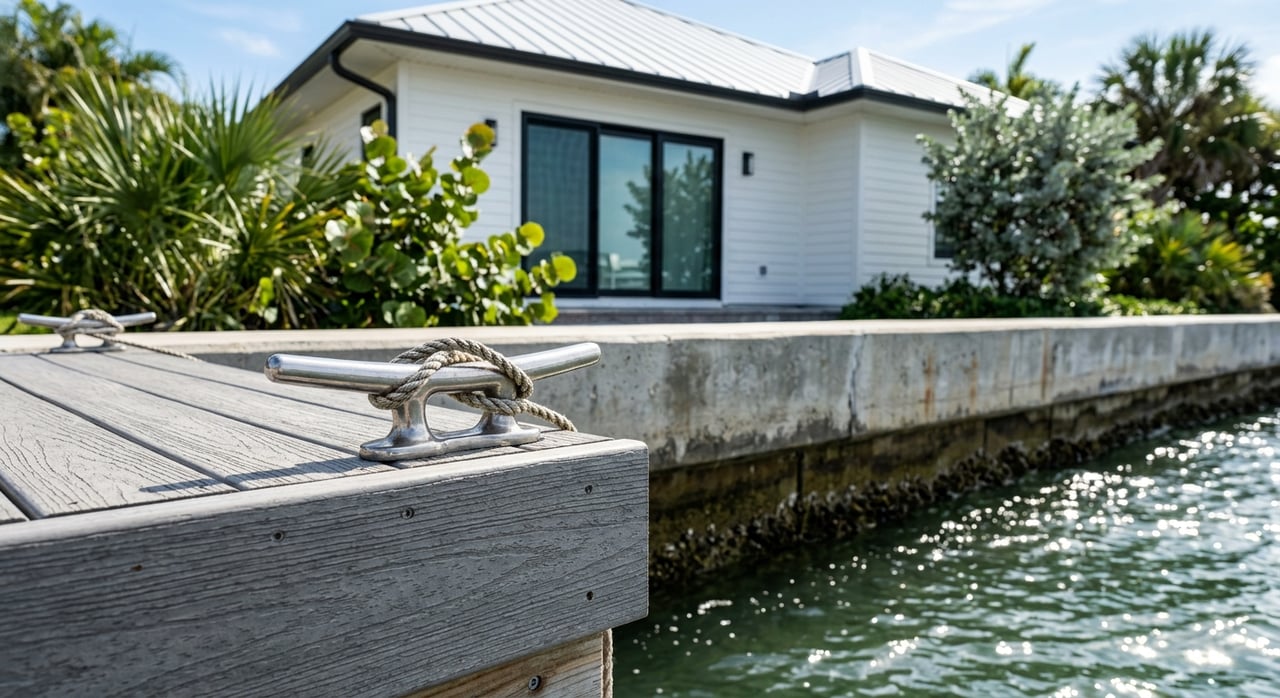
Out-Of-State Guide To Buying Waterfront In Apollo Beach
May 7, 2026
May 7, 2026
Wondering how to buy waterfront property in Apollo Beach when you live hundreds or even thousands of miles away? You are not alone, and you are right to slow down before falling for a pretty view online. Waterfront buying here can be rewarding, but it also comes with extra layers like flood zones, evacuation maps, seawall history, dock approvals, and community rules. This guide will help you focus on the facts that matter most so you can buy with more confidence from afar. Let’s dive in.
Apollo Beach is a waterfront community in Hillsborough County with 26,002 residents and 19.67 square miles of land area, which means there is a wide mix of lot types, canals, shoreline conditions, and community setups. For out-of-state buyers, that variety can be appealing, but it also means one waterfront home may have very different risks and rules than the next.
In Apollo Beach, waterfront due diligence is highly address-specific. Flood layers, evacuation status, HOA rules, rental limits, and dock or seawall history can all vary from property to property. That is why remote buyers should look beyond listing photos and build a document-first review process.
One of the most useful tools for remote buyers is the Hillsborough County Map Viewer. It can generate parcel-level reports on zoning, flood zone information, future land use, and other county data, which makes it a practical starting point when you cannot easily inspect every lot in person.
This first review can help you spot issues early. You may learn that two homes on the same street sit in different flood zones, or that one lot has conditions that affect future improvements. That kind of early clarity can save you time, money, and unnecessary travel.
Before you get too far into negotiations, gather these core records:
If older records are not easy to find, Hillsborough County notes that some elevation certificates and permit records may be available through county systems or Floodplain Administration staff.
Flood risk is one of the biggest factors in any Apollo Beach waterfront purchase. FEMA is the official source for current flood hazard products and maps, and it identifies Special Flood Hazard Areas using zones such as A, AE, AO, AH, V, and VE.
Hillsborough County also updated coastal flood maps effective October 7, 2021. According to the county, properties with federally backed mortgages in high-risk flood zones beginning with A or V are required by the lender to carry flood insurance. The county also notes that flood insurance is separate from standard homeowners insurance.
If a property falls in Zone V or VE, look especially closely. FEMA classifies these as coastal high-hazard areas with wave action or high-velocity water, and Hillsborough County applies stricter construction standards in these areas.
Those added standards may include extra elevation requirements, engineering analysis, and limits on fill or obstructions. For you as a buyer, that can affect renovation plans, future additions, rebuilding costs, and the overall practicality of the property.
This is one of the most common points of confusion for out-of-state buyers. In Hillsborough County, flood zones and evacuation zones are different tools used for different purposes.
Flood zones are used for insurance and building requirements. Evacuation zones are used for storm-surge evacuation decisions, and the county identifies them from A to E. Hillsborough County significantly changed its evacuation zones in 2022, so you should verify both maps for any home you are considering.
If you plan to use the home seasonally or as a second home, evacuation planning still matters. You may not be in town year-round, and having a clear understanding of the property’s evacuation zone can help you prepare before storm season.
Hillsborough County’s official emergency notification system is HCFL Alert. Even if you live out of state, knowing how the property fits into local emergency planning is an important part of ownership.
A private dock or seawall can add appeal, but you should never assume it is fully approved, easy to repair, or simple to modify. In Florida, dock projects may fall under different permit paths depending on size and location, including exemption or self-certification, general permit, or individual Environmental Resource Permit.
Florida DEP also notes that single-family docks are generally limited to one private dock designed for no more than two boats, with design criteria depending on the resources present at the site. In other words, the presence of water behind the home does not automatically mean the same dock setup will be allowed everywhere.
Dredging and filling rules can apply to dock pilings, seawalls, riprap, and other shoreline stabilization work. Hillsborough County’s Land Development Code also prohibits land alteration that adversely affects wetlands or natural bodies of water unless specifically approved.
That makes permit history and as-built documentation essential. A seawall that exists today may still raise questions about how it was approved, whether repairs were permitted, and what future work will require.
If the shoreline is failing or eroding, the solution may not always be a straightforward hard wall replacement. Florida DEP’s materials note that softer stabilization approaches, including living shoreline options, may be appropriate in some locations.
Also important, Hillsborough County code treats certain bulkheads, riprap, seawalls, and similar items near coastal buildings as obstructions unless otherwise approved. So if you are buying with plans to improve or expand the property later, this is an area where early review matters.
Community rules can shape how you use a waterfront property just as much as the property itself. In Florida, homeowners’ associations can be mandatory, can impose assessments, and those assessments may become liens on the parcel.
Florida law also states that members, tenants, guests, and invitees must comply with governing documents and rules. Associations can levy fines and suspend common-area use rights for certain violations. For a remote buyer, that means the rules are not a side issue. They are part of the financial and lifestyle picture.
For HOA properties, the estoppel certificate is one of the most valuable documents in the transaction. Under Florida law, the association must issue it within 10 business days after a written or electronic request.
The estoppel certificate must disclose items such as assessment balances, transfer-approval questions, right-of-first-refusal issues, open violations, and insurance contact information. If you are buying from out of state, this document can help you confirm key details before closing rather than discovering them afterward.
If the property is a condo rather than a single-family home in an HOA, there is another layer of review. Florida condo law requires associations to maintain records like the declaration, bylaws, articles, current rules, and current insurance policies, and owners have inspection rights to official records.
That matters even more for waterfront condos where access, boat slips, docks, and insurance allocation may be handled differently from one building or community to another. You want those details in writing before you commit.
Some out-of-state buyers are looking for a second home with rental potential. If that is your plan, do not rely on projected income until you confirm the property’s actual lease rules and tax obligations.
Florida law allows counties to impose transient rental taxes on accommodations rented for six months or less. Hillsborough County states that its Tourist Development Tax is currently 6% on the total rental amount.
Florida’s Department of Revenue also states that rental businesses offering short-term living accommodations must register to collect sales tax, and transient rental taxes are reported and remitted in addition to state sales tax and any discretionary surtax.
Just as important, HOA or condo documents may set lease restrictions, minimum-stay requirements, guest rules, parking limits, or other occupancy standards. Before you count on rental income, make sure the governing documents and tax requirements support your plan.
When you are buying from another state, the best approach is to be systematic. Start with the parcel and community records, then review risk factors, then confirm the practical use of the property.
A simple process can help you stay focused:
This kind of document-driven review is especially helpful in Apollo Beach because waterfront details can differ so much from one address to another. A strong local advocate can help you organize the right questions, interpret the records, and avoid making assumptions based on photos alone.
Out-of-state waterfront buying is easier when you have someone local who understands how to connect the dots between public records, property condition, and your goals. That is especially true in a market like Apollo Beach, where canal access, flood classification, community rules, and shoreline improvements can all affect value and day-to-day ownership.
Angie Richison brings a data-driven, practical approach to helping buyers evaluate coastal properties in Apollo Beach and the surrounding South Hillsborough market. If you want a local advocate to help you sort through the details, compare options, and move forward with confidence, connect with Angie Richison - Main Site.
Stay up to date on the latest real estate trends.


Experience a data-driven, relationship-focused approach to real estate designed around your success.
ANGIE RICHISON
ADDRESS 415 SANDSEND CT APOLLO BEACH FL 33572