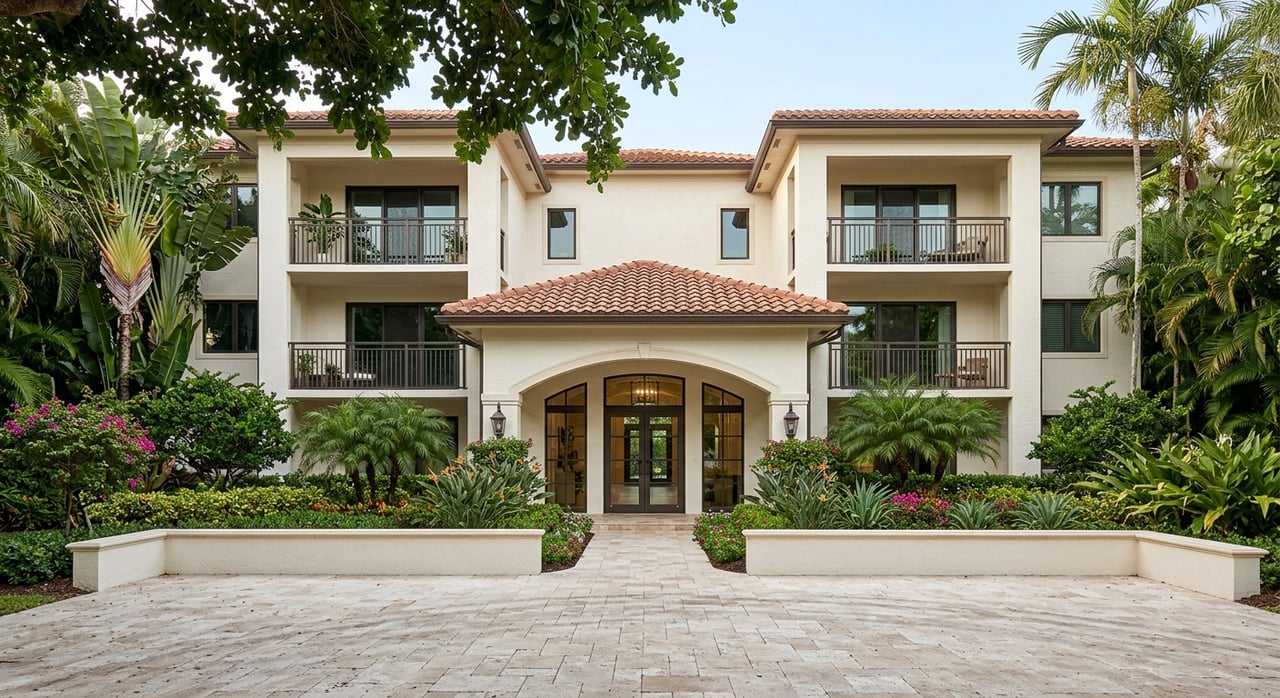
St. Petersburg Condos For Second-Home And Rental Buyers
May 28, 2026
May 28, 2026
If you are eyeing a St. Petersburg condo as a winter escape, part-time home, or income property, the biggest question usually is not just "Can I afford the unit?" It is whether the building, fees, rental rules, and long-term costs truly fit your plan. In a market with everything from older inland condos to luxury waterfront penthouses, you need more than a pretty listing photo to make a smart move. This guide will help you sort through pricing, condo fees, rental restrictions, and key due diligence points in St. Petersburg. Let’s dive in.
St. Petersburg’s condo market offers a broad range of options rather than one clear price point. Current listings span from about $62,000 for lower-priced older inland units to more than $9 million for a downtown penthouse. Redfin shows roughly 919 condos for sale in the city, with a median listing price of $349,000.
County-level numbers add helpful context if you are comparing value across buildings. In Pinellas County, the March 2026 median sale price for condos and townhomes was $295,000. That same report showed a median time to contract of 58 days, a median time to sale of 95 days, and a median sale price equal to 92.8% of original list price.
For you as a buyer, that can mean more room to compare communities, ask better questions, and negotiate carefully. Instead of rushing, you may have time to study the full cost of ownership. That matters even more when you are buying for seasonal use or rental potential.
Here is a simple way to think about the current market:
That spread means your budget can open very different doors. A lower purchase price may come with an older building or fewer amenities, while a higher-end building may offer convenience, views, and services that appeal to second-home buyers.
In St. Petersburg, waterfront and downtown condos often command higher prices because buyers are paying for both the unit and the building experience. Amenities can include things like a heated saltwater pool, fitness center, clubhouse, key-card entry, and attached garage parking. In some buildings, monthly fees also cover items such as cable, reserves, insurance, building maintenance, grounds maintenance, sewer, trash, and water.
For a second-home buyer, that setup can be appealing. You may spend less time worrying about upkeep and more time enjoying the property when you are in town. A condo can offer a simpler ownership experience than a detached home, especially if you are only using it for part of the year.
For a rental buyer, the same amenities may help attract tenants, but they can also change the math. A building with strong features may still be a weaker investment if fees, insurance obligations, or occupancy limits cut into your returns. That is why the sticker price only tells part of the story.
A condo fee can be either a convenience or a budget problem, depending on what it covers and how the building is managed. One current St. Petersburg waterfront example carries a monthly condo fee of $1,138. That fee includes cable, reserves, insurance, building maintenance, grounds maintenance, management, sewer, trash, and water.
At first glance, a fee like that may feel high. But if you are a seasonal owner, bundled services can simplify ownership and reduce the number of separate bills you manage. The key is to compare the fee against the building’s services, reserve funding, and overall financial condition.
When you review a condo, ask yourself a more useful question than "How much are the dues?" Ask, "What do the dues cover, and is the building prepared for future expenses?" That shift in thinking can help you avoid surprises later.
If you are buying a condo in St. Petersburg today, building condition and reserve funding deserve close attention. Under Florida law, residential condominium associations for buildings that are three stories or higher must complete a structural integrity reserve study at least every 10 years. Existing owner-controlled associations generally had an initial deadline of December 31, 2024.
Florida’s milestone inspection law also applies to buildings that are three stories or more. In salt-water environments, an earlier 25-year inspection timeline may apply. For coastal buyers, that makes building age, maintenance history, and inspection records especially important.
These rules are not just background details. They can affect future costs, special assessments, and your comfort with the building’s long-term condition. If you are buying for part-time use, you want confidence that the property is being managed responsibly even when you are not there.
Insurance is another area where condo buyers often make wrong assumptions. In Florida, the association’s property insurance generally covers the building and common elements. However, it does not cover many interior finish items and personal property inside your unit, which remain the unit owner’s responsibility.
That means you need to understand exactly where the association’s coverage stops and your own policy needs begin. This matters whether you plan to use the condo yourself, rent it out seasonally, or hold it long term. A low list price can lose its appeal quickly if you have not planned for the full insurance picture.
If rental income is part of your strategy, the building’s leasing rules are one of the first things you should verify. In Florida condos, rental policy is typically building-specific. Minimum lease terms, rental frequency limits, approval procedures, and rental caps can vary from one community to the next.
Florida law also says that certain amendments changing rental rights generally apply only to owners who consent and to later buyers. That makes the declaration, bylaws, and rules essential reading before you commit. You want to know what the current policy is and how it affects your intended use.
A condo that looks perfect for seasonal income may not allow the lease pattern you want. On the other hand, a building with stricter rental rules may still be an excellent second home if your priority is personal use and low-maintenance ownership.
If you are planning to rent your condo for six months or less, taxes are an important part of your numbers. In Pinellas County, rentals of six months or less are subject to a 6% tourist development tax. Florida also imposes a 6% state sales tax on transient rentals, and Pinellas County’s discretionary sales surtax rate is currently 1%.
In practice, that creates a combined 13% tax burden before platform fees and other operating expenses. For a buyer focused on cash flow, that can materially affect projected returns. It is one more reason to evaluate net income, not just top-line rent potential.
The strongest condo purchases usually come from careful document review, not quick assumptions. Florida resale buyers are entitled to receive important association documents, including the declaration, articles of incorporation, bylaws and rules, annual financial statement, annual budget, applicable milestone inspection summaries, the most recent structural integrity reserve study, and the condo FAQ document.
After December 31, 2024, condo contracts also include specific disclosure and voidability language tied to these records. For you, that means the document package is not a formality. It is one of the best tools you have for spotting future costs, restrictions, and building-level risk.
Before you move forward on a St. Petersburg condo, make sure you review:
This kind of review is especially important for out-of-state and second-home buyers who may not be on the ground full time. A condo that looks easy to own from afar still needs a careful financial and rules-based review.
The right St. Petersburg condo depends on how you plan to use it. If you want a second home, you may value amenities, bundled services, security features, and low day-to-day maintenance. In that case, higher dues may be worthwhile if they make ownership simpler and more predictable.
If your focus is rental performance, you need a more detailed filter. You should look at lease restrictions, tax burden, insurance responsibilities, reserve health, and monthly carrying costs alongside likely rental demand. A building can be beautiful and still not work well as an investment.
The good news is that St. Petersburg offers options across many price points and condo styles. With enough inventory on the market and county data showing buyers may have room to negotiate, you have an opportunity to be selective and strategic.
When you are comparing condos in St. Petersburg, the best move is to look past the listing price and study the full ownership picture. If you want local, data-driven guidance on waterfront condos, second homes, or rental-focused purchases in the Tampa Bay area, Angie Richison - Main Site can help you evaluate the numbers, the rules, and the fit before you buy.
Stay up to date on the latest real estate trends.
Experience a data-driven, relationship-focused approach to real estate designed around your success.
ANGIE RICHISON
ADDRESS 415 SANDSEND CT APOLLO BEACH FL 33572