Historic Charm Vs New Builds In St. Petersburg Housing
April 2, 2026
April 2, 2026
Wondering whether St. Petersburg’s historic homes or newer builds make more sense for your next move? It is a smart question, especially in a city where neighborhood character, flood rules, and long-term ownership costs can shape your experience as much as the home itself. If you are weighing bungalow charm against modern efficiency, this guide will help you compare the tradeoffs with a local lens. Let’s dive in.
St. Petersburg is not a one-style housing market. With 267,102 residents across 61.8 square miles and a median owner-occupied home value of $371,100, the city offers a wide mix of older neighborhoods, mid-century housing, and newer infill or construction options, according to the U.S. Census QuickFacts for St. Petersburg.
In a city this layered, the decision often comes down to more than square footage. St. Pete’s historic preservation inventory includes local landmarks, historic districts, brick streets, and hexagon-block sidewalks, which means the look and feel of a block can play a big role in how a home lives day to day.
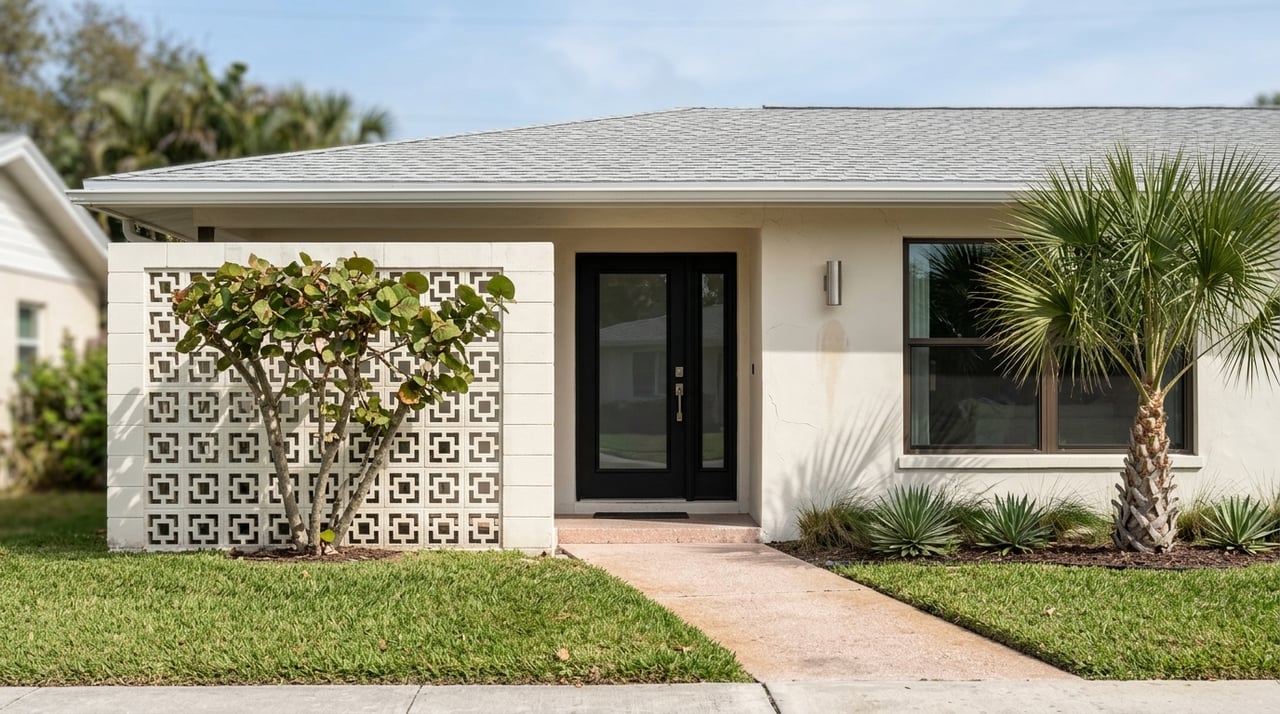
Historic homes in St. Petersburg often attract buyers who want details you do not always find in newer construction. Think front porches, mature streetscapes, original architectural features, and a stronger sense of neighborhood identity.
Historic Kenwood is one of the clearest local examples. The neighborhood has more than 2,500 residents and over 1,100 single-family homes, and it is known for one of the highest concentrations of bungalows in Florida, according to Visit St. Pete-Clearwater’s Kenwood profile. The same source notes that the area also includes ranch and mid-century modern homes, which shows how older St. Pete neighborhoods can offer more variety than many buyers expect.
Historic homes usually appeal to buyers who value lifestyle and setting as much as the structure itself. In St. Pete, older districts often feel more urban, layered, and visually cohesive because of denser street patterns and preserved streetscape elements.
You may also find that an older home offers renovation upside. If you are comfortable improving systems over time or personalizing a property, a historic or mid-century home can give you room to build value while living in a neighborhood with a strong identity.
Not every older home in St. Petersburg is a bungalow. City planning materials describe neighborhoods along the 34th Street corridor as predominantly single-family homes built in the 1950s, which gives you a clear local example of the city’s mid-century housing stock.
That matters because many buyers think of “historic charm” as one narrow style. In reality, St. Pete’s older housing includes bungalows, eclectic historic homes, ranch homes, and mid-century properties, each with different layouts, upkeep needs, and visual appeal.
Charm can be a real asset, but older homes usually need a closer look before you buy. The right inspection strategy can help you understand whether you are buying a home with manageable updates or stepping into a longer project.
According to Fannie Mae’s home inspection guidance, inspectors typically review roofing, insulation and ventilation, heating and cooling, plumbing, gas, and electrical systems. That checklist matters for any home, but it becomes even more important in older properties where systems may have been updated at different times.
If a home was built before 1978, lead-based paint is a key question. The EPA says homes built before that year may contain lead-based paint, and renovation work should be handled with lead-safe practices.
Energy performance is another important factor. The Department of Energy notes that many older homes have less insulation than homes built today, so air sealing and insulation upgrades can make a meaningful difference in comfort and monthly costs.
In St. Petersburg, older homes can come with extra city review depending on the property and the work performed. The city’s permit guidance says permits are generally required for new construction, additions, remodeling, demolition, and regulated mechanical, electrical, or plumbing work.
For designated historic properties, exterior changes may also go through a Certificate of Appropriateness process. If you are considering a historic home, it is smart to ask about past permit history and whether prior exterior work was approved when required.
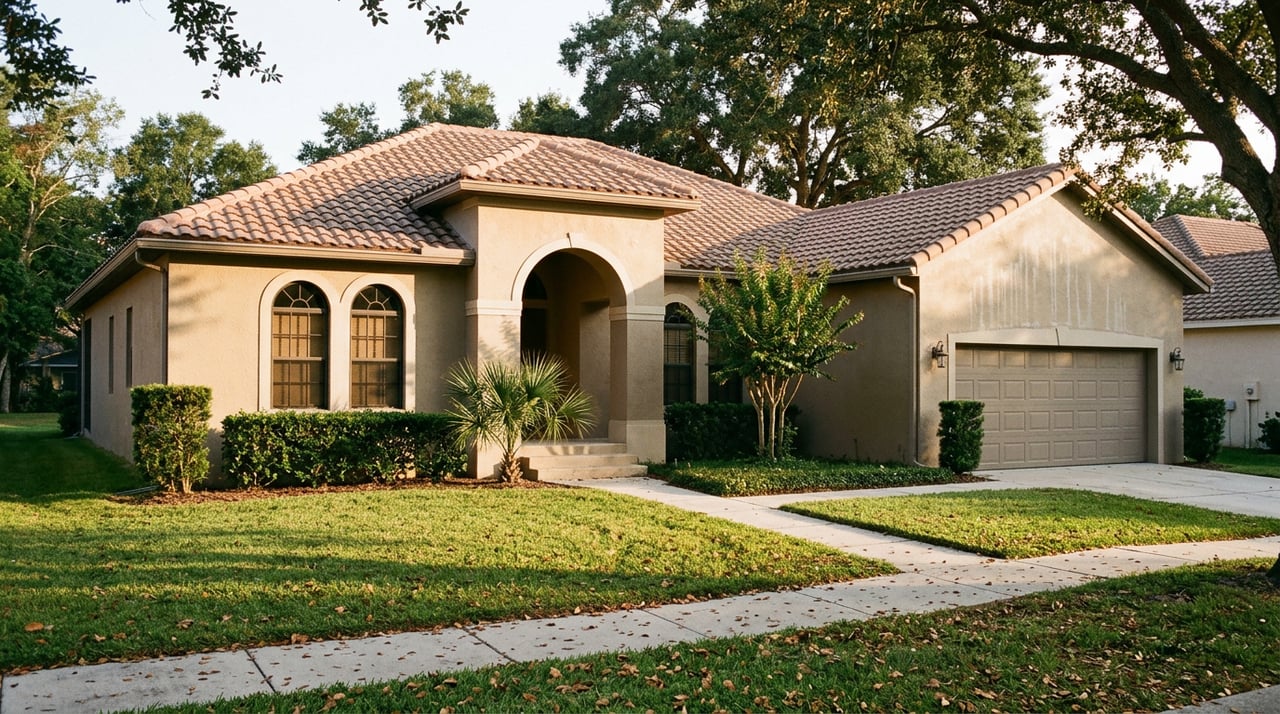
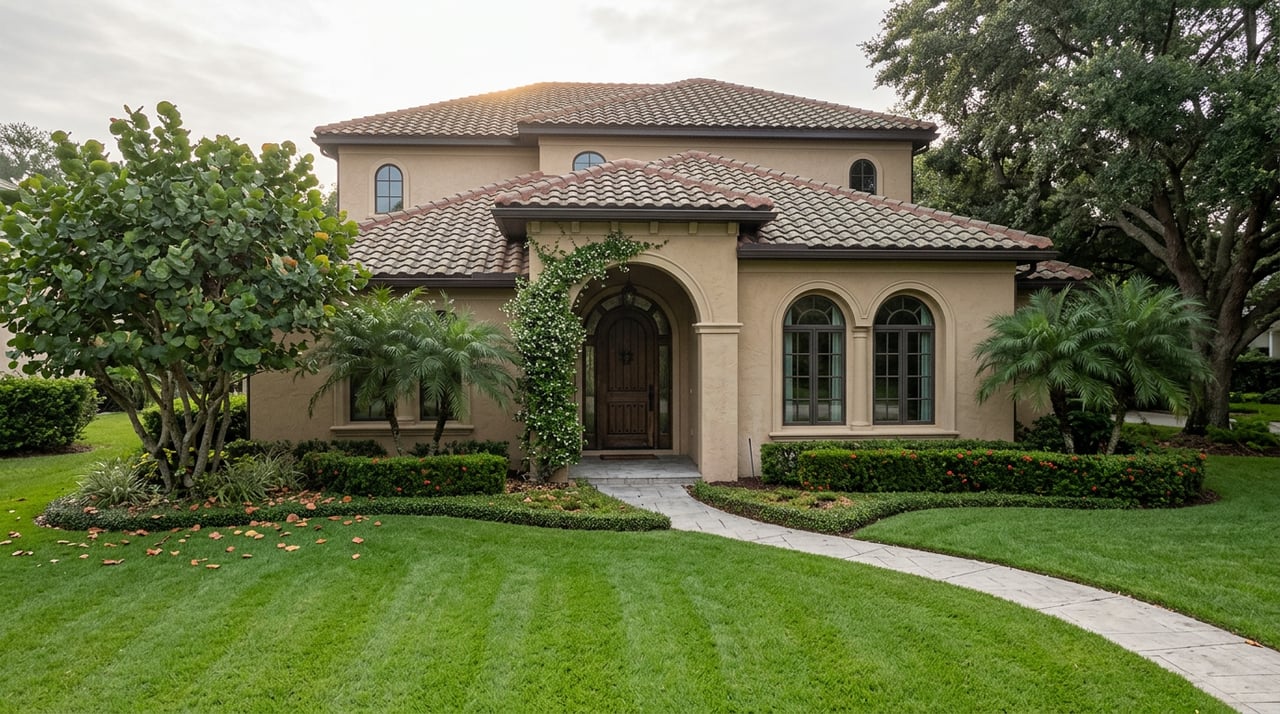
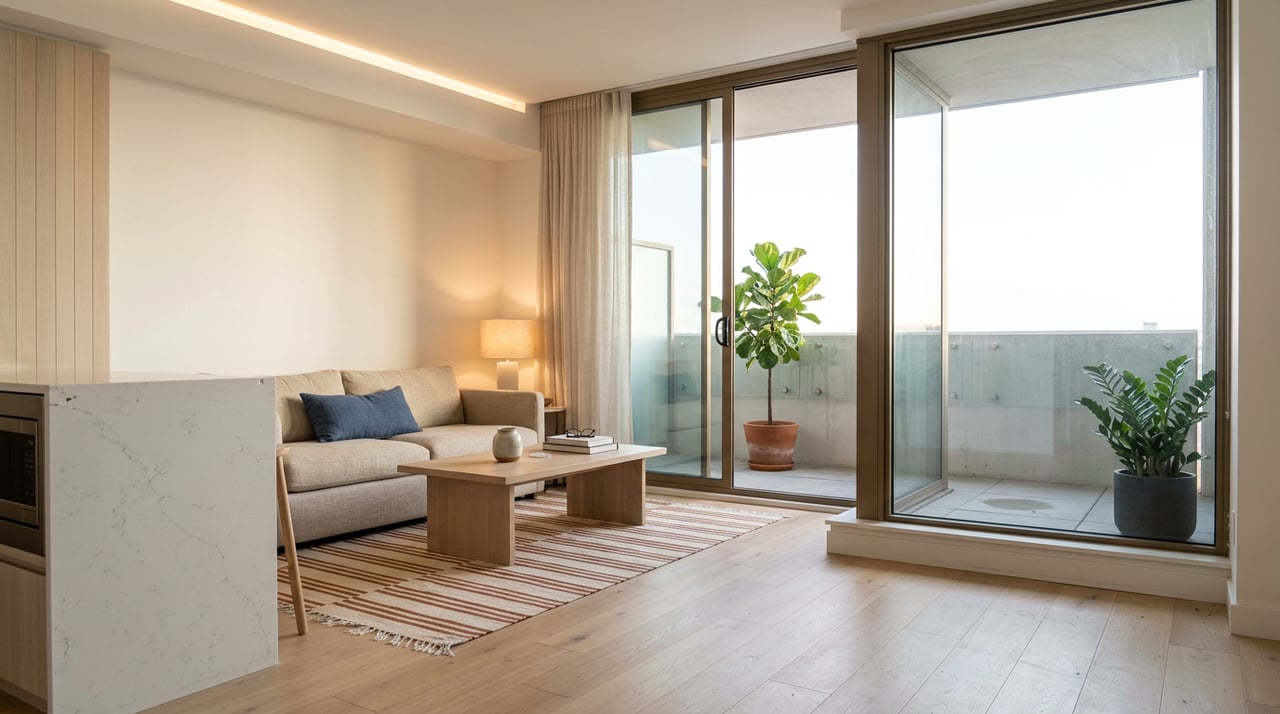
If your priority is simpler ownership, new construction may feel like the easier path. Newer homes often appeal to buyers who want lower near-term maintenance, more predictable monthly expenses, and systems built to current standards.
This can be especially attractive if you are relocating, downsizing, buying a second home, or just do not want to spend your first year replacing major components. In those cases, convenience can carry real value.
According to ENERGY STAR, certified new homes must meet strict energy-efficiency requirements and undergo inspections and testing. ENERGY STAR also says these homes can reduce leaks and drafts, improve temperature consistency, and lower utility and maintenance costs.
That does not mean every new home performs the same, but it does show why many buyers see new construction as easier to budget. Better insulation, tighter building envelopes, and newer mechanical systems can reduce surprises compared with an older home that may need staged updates.
A builder warranty can be helpful, but it is not a blank check. The Federal Trade Commission explains that new-home warranties often cover specific permanent components such as workmanship and materials, windows, HVAC, plumbing, electrical systems, and major structural defects, but coverage is limited and should be read carefully.
In plain terms, you should know what is covered, how long it lasts, and what steps are required if you need service. If warranty protection is part of why you are choosing new construction, read the details before you commit.
In St. Petersburg, floodplain standards are part of the conversation for both older homes and new builds. This is one reason a simple “old versus new” debate does not tell the whole story.
The city’s floodplain materials note that the majority of mapped subareas fall in the AE zone, and the city has referenced a 49% substantial-improvement threshold plus added freeboard requirements for new or substantially improved structures. That can increase upfront costs for major rehabs and new construction, but it also means those projects are being designed to current flood standards.
For buyers, the practical takeaway is simple: ask better questions. With an older home, confirm what improvements were made and whether permits were pulled when needed. With a newer home, verify elevation, freeboard, and how the property was designed for current requirements if flood risk applies.
One of the most useful ways to compare options in St. Petersburg is to think beyond the year built. In many cases, the bigger lifestyle difference comes from the block, streetscape, and neighborhood pattern.
Older areas often feel more intimate because of denser layouts and preserved features like brick streets and hexagon-block sidewalks, supported by the city’s historic preservation mapping. Newer homes, meanwhile, may offer modern layouts while still fitting into older surroundings.
A good example comes from the Old Northeast home tour, which has included both 100-year-old homes and newer builds designed to mimic their historic neighbors. That is a reminder that in St. Pete, new construction does not always mean disconnected from the neighborhood’s visual character.
If long-term value is part of your decision, local preservation data offers a helpful perspective. A PlaceEconomics report highlighted by Preserve the Burg found that property values in local historic districts increased by 119.3% from 2008 to 2022, compared with 85.2% in non-designated areas.
That does not guarantee future results for any specific property, but it does support the idea that preserved character and neighborhood form can matter over time. For buyers who love older homes, this is one reason not to dismiss historic housing as purely an emotional choice.
The best choice in St. Petersburg is usually lifestyle-first, not style-first. If you want character, neighborhood identity, and the chance to improve a home over time, a historic bungalow or mid-century property may fit well.
If you want lower near-term maintenance, stronger energy performance, and a more predictable ownership experience, a newer home may be the better match. Neither path is universally better. The right answer depends on how you want to live, what level of upkeep feels comfortable, and how you weigh charm against convenience.
A smart buying strategy starts with comparing homes through that lens, then backing up the decision with inspection details, permit history, and local market context. If you want a local, data-driven perspective while you sort through the options, Angie Richison - Main Site can help you evaluate which path makes the most sense for your goals.
Stay up to date on the latest real estate trends.
Experience a data-driven, relationship-focused approach to real estate designed around your success.
ANGIE RICHISON
ADDRESS 415 SANDSEND CT APOLLO BEACH FL 33572