Guide To New Construction Communities In Apollo Beach
March 24, 2026
March 24, 2026
Is a brand-new home in Apollo Beach on your wish list, but you’re not sure where to start? You’re not alone. With multiple master-planned and waterfront options, it can feel overwhelming to compare builders, amenities, lot types, and timelines. In this guide, you’ll get a clear, local look at the top communities, what to expect from the build process, and the key cost and risk checks to do before you sign. Let’s dive in.
Apollo Beach has become a hub for master-planned living and waterfront lifestyles. You’ll find large communities with resort-style amenities, walking trails, fitness centers, and planned retail, along with limited luxury waterfront parcels. Recent additions like Waterset’s evolving town-center concept and nearby retail such as Wolf Creek Commons make day-to-day life convenient.
If you want variety in floorplans, low-maintenance options, or boating access without leaving SouthShore, there is likely a fit here. The sections below break down the leading choices and how to shop them with confidence.
Waterset is a large, active master-planned community with multiple award-winning builders and a wide range of price points and home sizes. You can explore who is currently building and model highlights on the community’s builder roundup, which is updated by the Waterset team. See the builder lineup in the official overview of who’s building in Waterset.
Amenities often include multiple clubhouses, resort-style pools, fitness centers, sports courts, miles of trails, and on-site early education and charter options. Families and move-up buyers tend to appreciate the scale of amenities and the choice of plans, from single-story living to larger two-story layouts.
If you want waterfront living in Apollo Beach, MiraBay is a standout. It blends an established marina lifestyle, a resort-style clubhouse, and a mix of single-family, custom, and townhome offerings. Recent sections have featured saltwater-access homesites. Learn more from this overview of MiraBay’s community profile.
Hammock Bay is a gated luxury waterfront development positioned as one of the last significant waterfront parcels on this stretch of Tampa Bay. Developer materials highlight custom and luxury products with defined architectural guidelines and private water access. Check project details and updates from the developer’s page for Hammock Bay in Apollo Beach.
For low-maintenance, active-adult living, Toll Brothers’ Regency at Waterset offers a gated 55+ collection within the larger Waterset plan. Homes and amenities are designed for lifestyle programming and convenience. Explore the product and amenities on the Regency at Waterset community page.
Note: Apollo Beach also has Southshore Falls, a completed Del Webb 55+ neighborhood that is primarily resale. It can be a useful comparison point if you’re weighing new construction versus established age-restricted options.
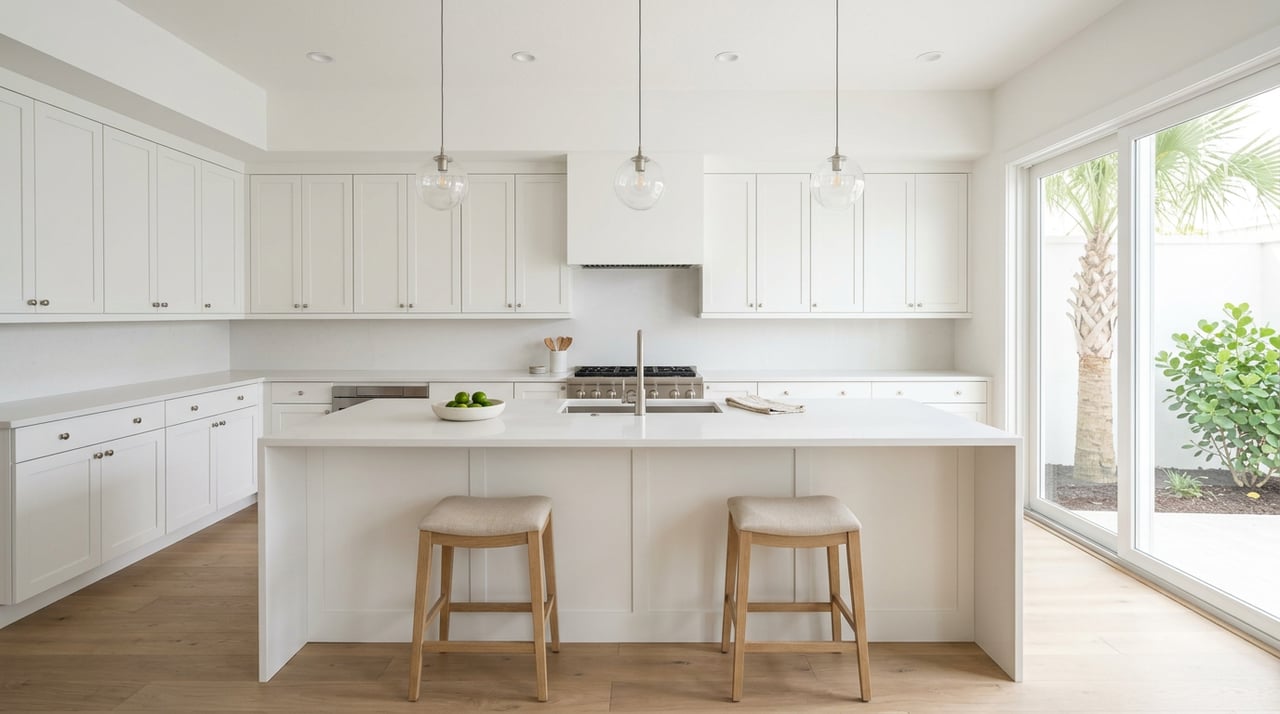
Most builders in Apollo Beach offer open-concept kitchens that connect to great rooms, flexible rooms for a home office or guest space, and owner’s suites on the first floor in many single-story plans. You’ll commonly see 3 to 5 bedrooms, 2 to 3 car garages, and square footage that ranges from the high 1,000s to over 3,000.
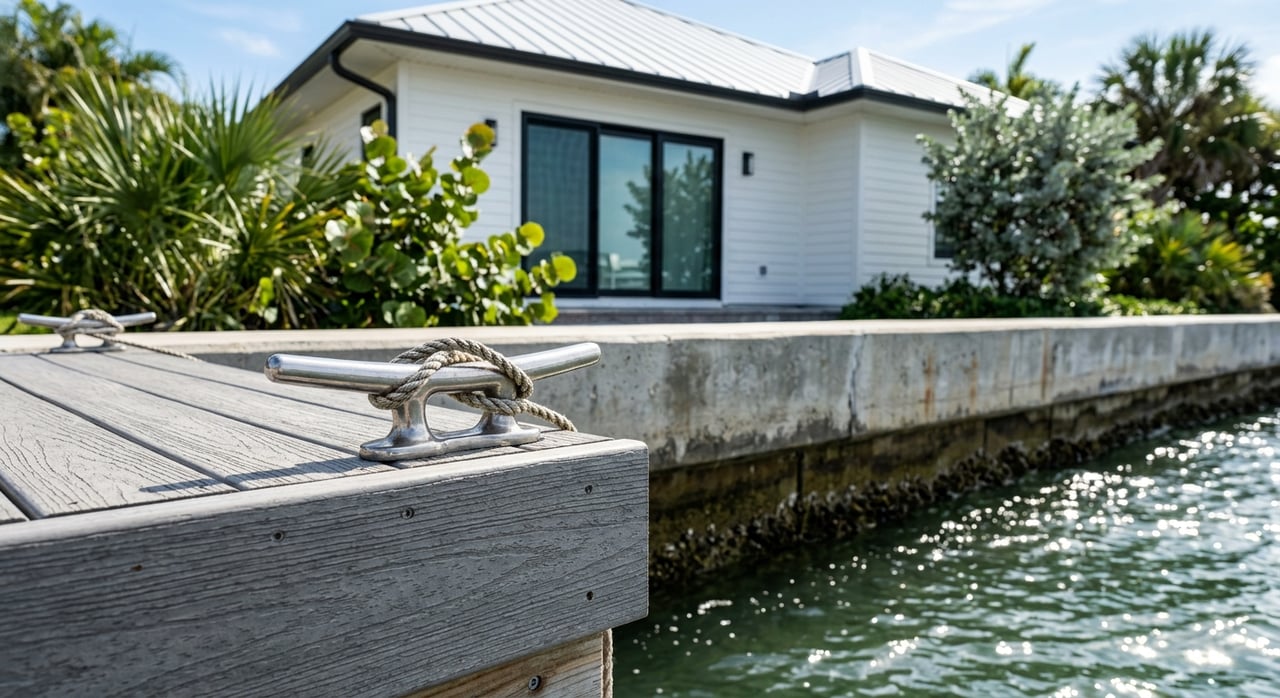
Lot types can include interior homesites, lake or canal lots, and limited saltwater/waterfront parcels. Waterfront lots typically command a premium. Verify whether a lot offers direct open-water access or canal access, and ask about seawall and dock status or permitting. These details affect both price and future maintenance.
Amenities across the area often include resort-style and lap pools, multiple clubhouse and fitness centers, pickleball and tennis, dog parks, playgrounds, multi-use trails, event lawns, and, where applicable, marina or shared boat access.
In many larger Florida communities, you may have both a homeowner association (HOA) and a Community Development District (CDD). Understanding each is critical to your monthly and annual costs.
Ask your agent to confirm four fast-changing line items up front: HOA fees, CDD assessments, whether an Elevation Certificate exists for your lot, and the builder’s warranty details.
New homes in Apollo Beach follow Hillsborough County’s permitting and inspection process. Plan reviews and permits can take multiple weeks, and final plat recording or conditions for infrastructure completion can affect when individual lots can be released for construction or occupancy. You can review county permit guidance and records through Hillsborough County’s portal.
Builders generally deliver homes in two ways:
A build-to-order timeline commonly ranges around 6 to 12 months in Florida, but it varies by builder, plan, weather, materials, county review, and change orders. Treat move-in dates as estimates and ask for the builder’s current average from contract to certificate of occupancy for your specific product line.
County inspections occur in phases, such as foundation, framing, mechanicals, and final. Your builder will coordinate inspections with the county, and you should expect at least one pre-closing walk-through to build a punch-list. If you want additional peace of mind, you can arrange an independent pre-drywall inspection to catch items early.
Confirm that the certificate of occupancy has been issued before scheduling closing and moving logistics. If any items are open at closing, get completion commitments and timelines in writing from the builder.
Flood risk in coastal South Hillsborough is parcel-specific. Before you buy, you should:
FEMA’s Risk Rating 2.0 uses a property-specific pricing model for NFIP premiums, which can change estimates compared to older methods. Review the background on Risk Rating 2.0 and get a property-specific quote.
New homes here are built to the Florida Building Code, which is designed to meet current wind and structural standards. After closing, a wind mitigation inspection may help you document insurance credits.
Florida law provides a baseline warranty for new homes that covers defects that materially violate the Florida Building Code for at least one year from conveyance or occupancy. You can read the statutory framework in Florida Statutes Chapter 553. Many builders go further with third-party, insurance-backed warranties that commonly follow a 1-2-10 structure: 1 year workmanship, 2 years systems, and 10 years structural.
Have your agent help you review key contract items:
Counties often require a recorded Notice of Commencement for construction, and lenders and title companies follow specific steps to manage lien risk. Ask your agent and title professional how this will be handled in your file.
A strong buyer’s agent keeps your costs and risks visible from day one. Here is a practical, step-by-step approach Angie uses to protect your interests:
Before contract
During build
Pre-closing
Post-closing
If you want clarity on which community fits your lifestyle, budget, and timeline, let’s talk. I can help you compare floorplans and lots, estimate monthly costs with HOA and CDD, and coordinate a smooth build from contract to closing. Reach out to schedule a personalized consult with Angie Richison - Main Site.
Stay up to date on the latest real estate trends.

Experience a data-driven, relationship-focused approach to real estate designed around your success.
ANGIE RICHISON
ADDRESS 415 SANDSEND CT APOLLO BEACH FL 33572