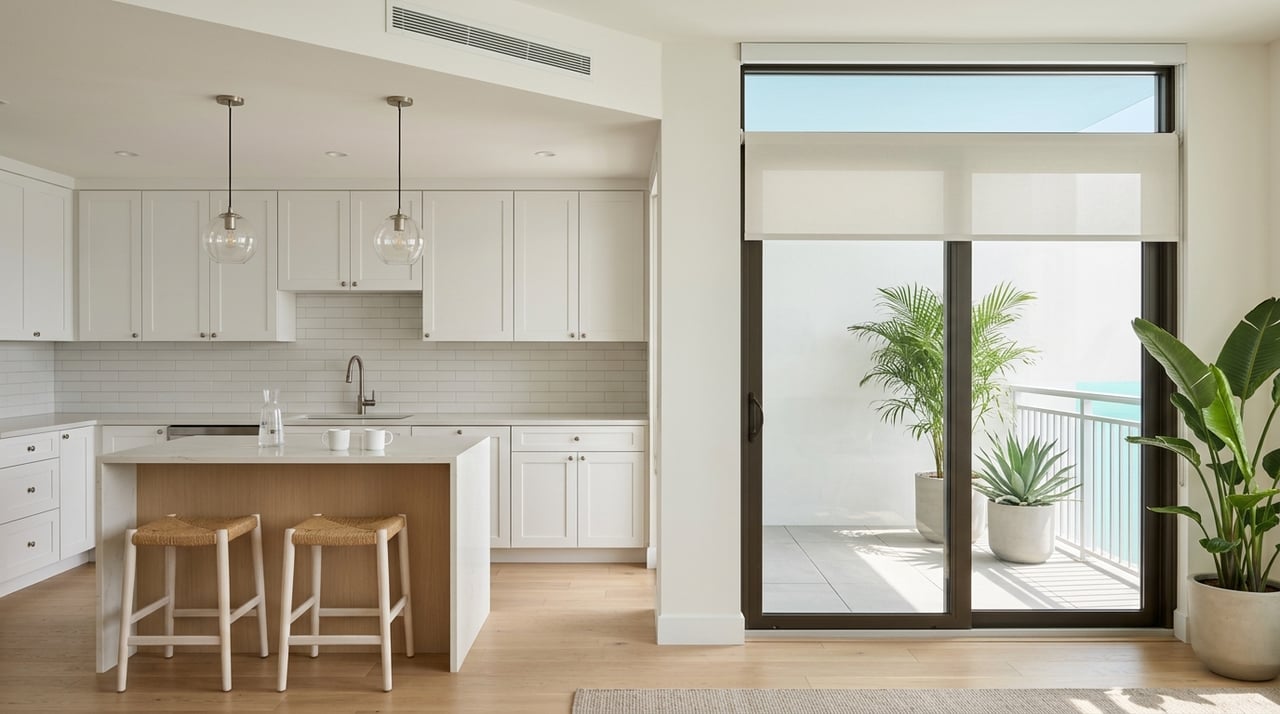
Choosing Between Waterfront And Urban Living In St. Petersburg
June 11, 2026
June 11, 2026
Trying to decide between a waterfront home and an urban address in St. Petersburg? You are not alone. For many buyers, this choice comes down to a simple question with a complicated answer: do you want to pay more for water, or more for daily convenience? The good news is that St. Petersburg gives you strong options on both sides. If you understand the price differences, lifestyle tradeoffs, and upkeep involved, you can choose with confidence. Let’s dive in.
In St. Petersburg, the waterfront versus urban decision is not just about geography. It is really about how you want to live day to day. Some buyers want bay views, waterfront parks, and a home that feels tied to the shoreline. Others want walkability, easier transit, and quick access to restaurants, museums, and downtown activity.
The market data supports that split. Citywide Zillow data shows an average home value of $352,315, a median sale price of $371,833, and a median of 36 days to pending. But neighborhood values vary widely, which shows how much lifestyle and location influence pricing.
Waterfront living in St. Petersburg often centers on neighborhoods like Snell Isle, Historic Old Northeast, Shore Acres, and other bay-adjacent areas. These locations appeal to buyers who want water views, proximity to the bay, and a more coastal ownership experience.
The pricing reflects that demand. Zillow data places Snell Isle at about $1,304,326 and Shore Acres at about $426,072, while Historic Old Northeast sits around $984,401. Current Snell Isle inventory ranges from a $385,000 condo to houses priced roughly from $950,000 to $3.2 million, plus a $2.3 million lot.
Historic Old Northeast also shows a strong waterfront premium. Current single-family examples range from about $1.295 million for a waterfront estate to $7.495 million for a high-end trophy home. If your priority is direct water access or a standout waterfront setting, this tier is where many of those options show up.
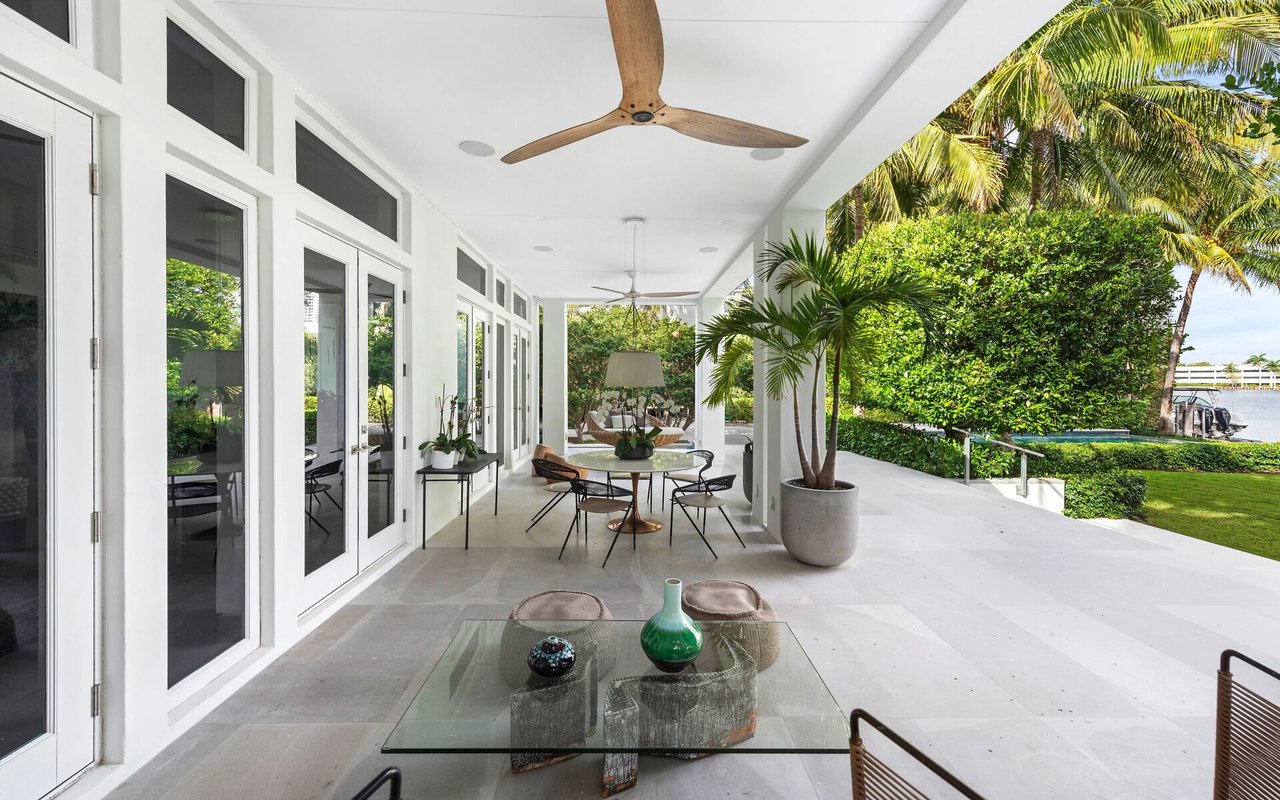
Waterfront homes offer a lifestyle that feels distinctly coastal. Depending on the property and neighborhood, you may enjoy views, breezes, access to waterfront parks, and a stronger connection to the bay.
In St. Petersburg, waterfront living is not always removed from urban convenience. Some waterfront-adjacent homes in Old Northeast are also close to downtown amenities. One current listing notes it is two blocks from North Shore waterfront park and about a mile from downtown restaurants, shopping, museums, and activities.
That overlap matters. It means you do not always have to choose between a scenic setting and access to the city core. In some pockets of St. Petersburg, you can get a bit of both.
The list price is only part of the waterfront equation. In Pinellas County, flood risk is a serious planning factor because the county states that everyone in the county is in a flood zone. It also explains that flood zones, evacuation zones, and storm surge maps measure different types of risk.
Pinellas County notes that high-risk A and V zones are Special Flood Hazard Areas. If you have a federally backed mortgage in those zones, flood insurance is required. The county also states that most homeowners and renters policies do not cover flood damage, so flood insurance is typically a separate policy.
Waterfront upkeep can also be more demanding. FEMA’s coastal construction guidance notes that salt spray and moisture can speed up corrosion, that exposed fasteners may corrode within a few years, and that stainless steel is recommended within 3,000 feet of the coast. For you as a buyer, that means a waterfront budget should account for insurance, storm readiness, corrosion-resistant materials, and routine exterior maintenance.
If your priority is convenience, walkability, and easier access to downtown destinations, urban living may be the better fit. In St. Petersburg, buyers often focus on Downtown, Historic Uptown, Euclid-St Pauls, and Historic Kenwood when they want a more connected day-to-day lifestyle.
These neighborhoods offer a different value proposition than waterfront areas. You may trade private water access for easier errands, dining, cultural attractions, and a broader mix of condos and townhomes. That can be especially appealing if you want a lower-maintenance property type or a more car-light routine.
Downtown St. Petersburg stands out as one of the city’s most walkable areas. Redfin gives Downtown a Walk Score of 91, and a recent inventory snapshot showed 218 condos, 23 townhouses, and only 1 multi-family unit for sale. That is a strong sign that the area leans heavily toward attached housing.
Pricing downtown covers a broad range. Redfin examples include a $250,000 studio or condo, a $450,000 two-bedroom condo, homes around $579,000 to $1.175 million, and luxury units from $2.75 million to $4.885 million. Zillow’s neighborhood data puts Downtown at $937,913, Historic Uptown at $531,430, and Euclid-St Pauls at $607,353.
That tells you something important. Urban St. Petersburg is not automatically the lower-cost option. In many cases, it is better described as walkable, transit-connected, and condo-heavy rather than simply affordable.
Historic Kenwood is another useful option if you want an urban-historic setting without a high-rise feel. Redfin reports a median sale price of $549,796 in April 2026, with homes generally selling after about 36 days on market. For some buyers, that creates a middle path between the downtown condo lifestyle and premium waterfront ownership.
Urban living tends to shine in the everyday routine. If you like being closer to restaurants, museums, shopping, and public spaces, downtown and nearby neighborhoods can make life feel more connected and flexible.
Transit adds to that convenience. PSTA’s Downtown Looper is free and runs every 15 to 20 minutes, connecting the Pier, BayWalk, museums, and USF St. Pete. The Central Avenue Trolley is also free and runs between the St. Pete Pier and Grand Central Station every 20 minutes, while SunRunner links downtown St. Petersburg to St. Pete Beach in about 35 minutes.
For many buyers, that convenience changes the math. Instead of paying primarily for views or direct bay access, you are investing in easier movement, a wider range of attached housing options, and more day-to-day access to the places you enjoy.
When you compare the two lifestyles side by side, the best choice usually comes down to what matters most in your daily life and long-term budget.
| Factor | Waterfront Living | Urban Living |
|---|---|---|
| Typical appeal | Views, bay access, waterfront setting | Walkability, convenience, city access |
| Price profile | Often premium, with many $1M+ options in top areas | Wide range, but core areas can still be expensive |
| Property types | Houses, condos, townhomes, some lots | Condos and townhomes are common |
| Ongoing costs | Higher insurance and more coastal upkeep | More property-type-specific maintenance |
| Daily lifestyle | More tied to shoreline experience | More tied to restaurants, transit, and downtown activity |
This is why the choice is less about which option is better and more about which one fits you better. St. Petersburg offers both, but each comes with a different ownership model.
If you are still weighing both options, it helps to ask yourself a few practical questions.
Some buyers also find a hybrid solution. Parts of Old Northeast, for example, can offer proximity to waterfront parks while still keeping you close to downtown amenities. If you love both lifestyles, those in-between locations can be worth exploring.
In this market, the smartest move is to look beyond the listing photos and focus on the full ownership picture. A waterfront home may deliver the exact setting you have imagined, but it can also bring higher insurance needs and more exterior upkeep. An urban home may give you a simpler daily routine, but the tradeoff may be less privacy or less direct access to the water.
That is where good local guidance matters. When you compare neighborhoods, price bands, property types, and ownership costs side by side, the right answer usually becomes much clearer.
If you are weighing waterfront and urban living in St. Petersburg, working with a local agent who uses real market data can help you narrow the search faster and avoid expensive mismatches. When you are ready to talk through your options, Angie Richison - Main Site can help you compare neighborhoods, pricing, and lifestyle fit with a practical, numbers-driven approach.
Stay up to date on the latest real estate trends.

Experience a data-driven, relationship-focused approach to real estate designed around your success.
ANGIE RICHISON
ADDRESS 415 SANDSEND CT APOLLO BEACH FL 33572