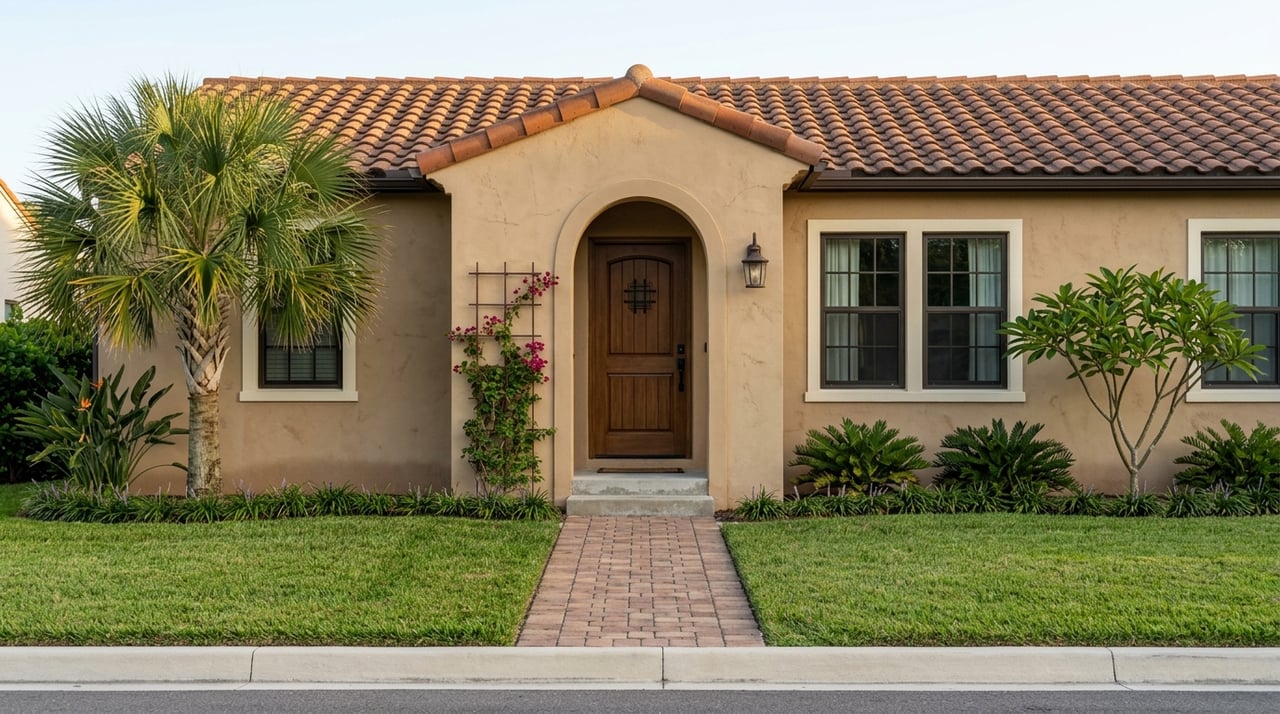
Preparing A Historic St. Petersburg Home For Today’s Buyer
June 18, 2026
June 18, 2026
Wondering how to get top-dollar attention for a historic St. Petersburg home without stripping away the details that make it special? You are not alone. Selling an older home often means balancing charm, maintenance, paperwork, and buyer expectations all at once. The good news is that with the right prep, you can highlight character, reduce surprises, and make your home easier for today’s buyer to say yes to. Let’s dive in.
Historic homes in St. Petersburg can stand out in a crowded market, but they also ask more of sellers. Buyers tend to love original details, yet they also want confidence that the home has been cared for and that needed work has been handled thoughtfully.
That matters in a city where owner occupancy is strong and housing values are meaningful. Census QuickFacts shows a 62.8% owner-occupied housing unit rate in St. Petersburg, with a 2020 to 2024 median owner-occupied value of $371,100. Redfin reported a median sale price of $495,000 in March 2026 and a median of 52 days on market, which offers helpful market context even though those figures are measured differently.
Before you paint, replace, or remove anything outside, confirm whether your home is a designated local landmark or located in a local landmark district. St. Petersburg tracks local landmarks, National Register landmarks, and historic districts through its preservation mapping tools.
This step matters because local rules may affect what changes require review. Under St. Petersburg City Code section 16.30.070, exterior alterations, new construction, demolition, and relocation affecting a designated local landmark or property in a local landmark district require a certificate of appropriateness.
A quick cosmetic project can become a bigger issue if it changes exterior materials or design details without the proper review. If you handle this upfront, you reduce the risk of delays once your home is on the market.
It also helps shape a better marketing story. Buyers often respond well when a seller can explain what was preserved, what was updated, and how the work respected the home’s original character.
The goal is not to make a historic home feel brand new. The goal is to make it feel cared for, functional, and easy to understand.
St. Petersburg’s preservation standards favor keeping historic materials and distinctive architectural features whenever reasonable. The code also favors repair over replacement and encourages replacement features to match the original design and materials where practical.
Start with the things buyers will notice right away in photos, showings, and walk-throughs. Visible wear often creates bigger objections than age itself.
High-priority updates often include:
For historic homes, exterior work deserves extra care. Even small fixes should respect the existing design language, especially if the home is in a local historic district.
You do not need to erase every sign of age to appeal to modern buyers. In many cases, a stronger presentation comes from keeping one or two signature details front and center, such as original woodwork, a welcoming front porch, or period windows, while simplifying the rest of the home’s presentation.
That approach helps the home feel authentic rather than themed. It also aligns with local preservation standards that favor compatible alterations instead of changes that distort the property’s history.
Not every improvement helps. Some changes can weaken the home’s appeal, complicate review, or create questions during due diligence.
St. Petersburg’s code discourages changes that create a false sense of historical development. In simple terms, adding faux-historic details that were never part of the home can backfire.
When preparing a historic St. Petersburg home, try to avoid:
The city code specifically cautions against damaging treatments such as sandblasting. If older materials need attention, a repair-first mindset is usually the safer path.
Older homes often come with more questions, and buyers usually ask them sooner than you expect. If you already know about a material issue, it is better to address it clearly at the front end.
Florida law recognizes a duty to disclose known material defects that are not readily observable to the buyer. For sellers of older homes, that means known concerns should not first appear during the inspection period, underwriting, or the final walk-through.
If your home was built before 1978, lead-based paint rules are part of your prep process. Federal law requires sellers to disclose known lead-based paint and lead-based paint hazards before the sale and provide the required lead-hazard pamphlet.
If you are refreshing painted surfaces before listing, lead-safe work practices matter. EPA guidance recommends using lead-safe contractors for renovation, repair, and painting that disturb old coatings.
Historic-home buyers often look for proof, not just promises. When you can show what was repaired, updated, or maintained, you make the home easier to evaluate and easier to trust.
Save receipts, permits, contractor information, and any documentation tied to prior work. This can support your pricing strategy and help answer buyer questions with specifics instead of general statements.
Try to gather:
A well-organized record set can help your listing feel more complete and reduce back-and-forth once offers come in.
Today’s buyers want to picture daily life in the home. That is especially true in a historic property, where room layout and original features can feel unfamiliar if the home is crowded or visually busy.
According to NAR’s 2025 staging report, 83% of buyers’ agents said staging made it easier for clients to visualize a property as a future home. The same report found that 49% said staging reduced time on market, and 29% said staging increased dollar value offered by 1% to 10%.
Your staging plan should help buyers read the home clearly. It should support the architecture, not compete with it.
A smart staging approach often includes:
The result should feel charming, clean, and move-in ready, even if the home is not newly renovated.
Historic-home pricing in St. Petersburg is highly location-sensitive. Citywide numbers can offer a starting point, but they do not tell the whole story for character homes.
Redfin’s neighborhood data shows a wide range in pricing. Kenwood was around $599,000, Historic Old Northeast around $1.3375 million, and Downtown St. Petersburg around $1.35 million. That spread suggests that neighborhood, district status, lot size, and renovation level can all materially affect value.
A historic bungalow in one part of St. Petersburg may compete with a very different buyer pool than a larger home in another district. That is why pricing should account for hyper-local conditions, not just citywide trends.
A strong pricing strategy usually blends neighborhood facts with the home’s condition, preservation status, updates, and the quality of its presentation. For sellers, that means preparation and pricing should work together, not as separate decisions.
Historic homes sell best when the listing tells a clear, credible story. Buyers are often drawn in by charm, but they gain confidence from specifics.
The strongest marketing angle for an older St. Petersburg home is usually a blend of character and documentation. That can include architectural style, maintenance history, historic designation if applicable, a short list of upgrades, and clear notes about what has been repaired rather than replaced.
Your listing should make it easy for buyers to grasp:
That kind of presentation is especially effective when paired with strong photography, thoughtful staging, and pricing grounded in neighborhood data.
If you want a simple starting point, begin here:
Preparing a historic St. Petersburg home for today’s buyer is really about reducing friction while protecting what makes the property memorable. When you combine careful prep, clear documentation, and a market-smart story, your home is far more likely to connect with serious buyers.
If you are getting ready to sell and want a pricing and marketing plan built around your home’s character, condition, and location, reach out to Angie Richison - Main Site. Angie brings data-driven guidance, thoughtful marketing, and hands-on support to help you position your home with confidence.
Stay up to date on the latest real estate trends.

Experience a data-driven, relationship-focused approach to real estate designed around your success.
ANGIE RICHISON
ADDRESS 415 SANDSEND CT APOLLO BEACH FL 33572