Condo Or Townhome Living In Sarasota
July 2, 2026
July 2, 2026
Wondering whether a condo or townhome is the better fit in Sarasota? You are not alone. Many buyers like the idea of lower-maintenance living, but the real difference often comes down to what you own, what your fees cover, and how much future cost or responsibility you want to take on. This guide breaks it down in a clear, practical way so you can compare your options with confidence. Let’s dive in.
If you are comparing condos and townhomes in Sarasota, it helps to know that this segment behaves differently from the single-family market. In May 2026, Sarasota County recorded 371 condo and townhome sales, with a median sale price of $336,829.
That same month, Sarasota County single-family homes had a higher median sale price of $475,000. Condo and townhome inventory also stood at 7.1 months of supply, compared with 4.4 months for single-family homes. In simple terms, you may find more choices in the condo and townhome segment than you would in the single-family market.
Another number worth noting is the share of cash buyers. In May 2026, 61.5% of Sarasota County condo and townhome sales were cash purchases. That does not tell you exactly who every buyer is, but it does show this part of the market can attract buyers who are focused on convenience, second-home use, or flexible purchasing power.
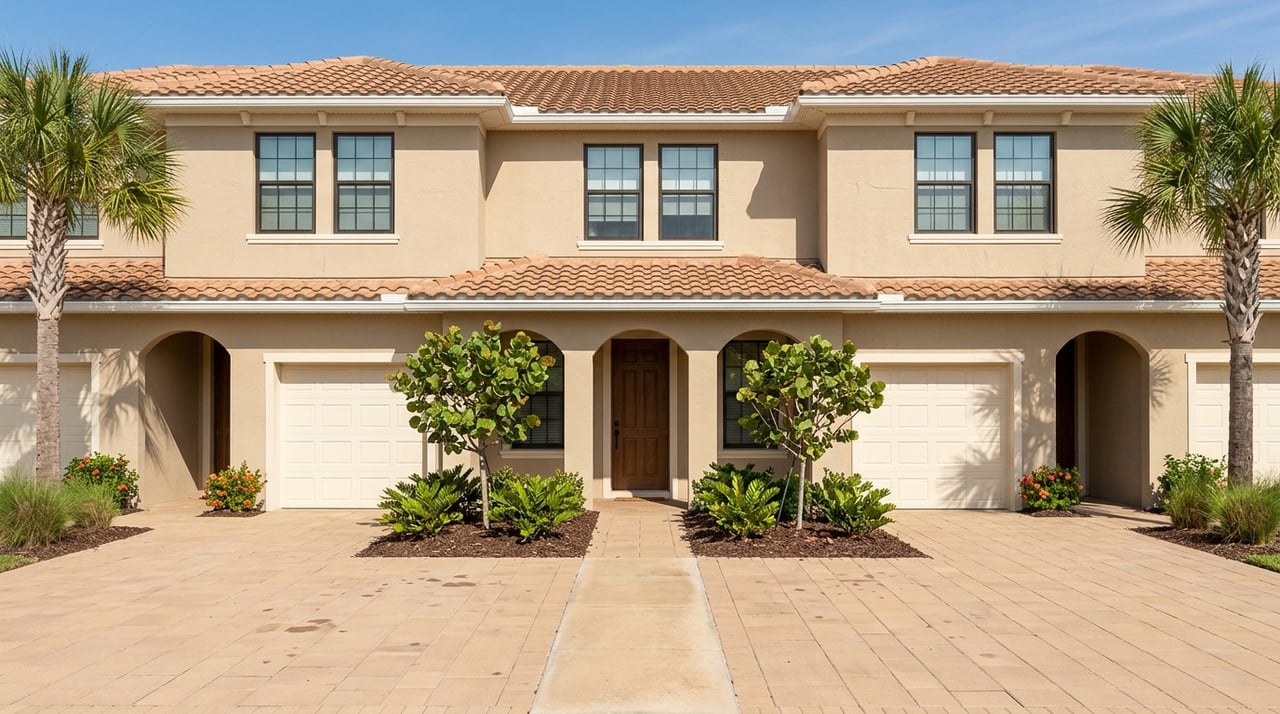
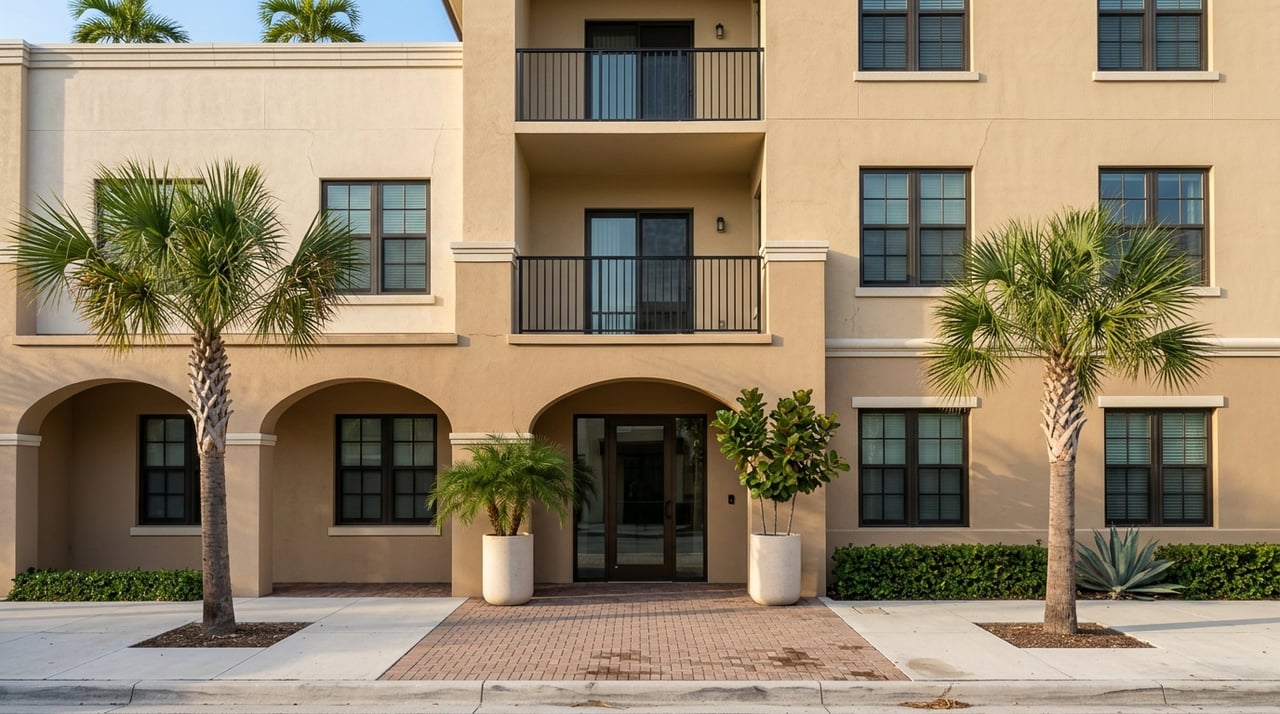
When buyers picture a condo versus a townhome, they often focus on the exterior look. In Sarasota, the more important question is the legal structure behind the property.
A condominium in Florida means you own your individual unit and also share an undivided interest in the common elements. The condominium association is responsible for the common elements, and state law gives the association access rights when maintenance, repair, or replacement is needed.
A townhome may be part of a homeowners association instead. Under Florida HOA law, ownership is generally built around a parcel, mandatory association membership, recorded covenants, and required assessments. That means a townhome can feel more like a house in how ownership is set up, but the exact rules still depend on the governing documents.
The big takeaway is simple: appearance does not tell the whole story. Two homes may look similar from the street, but one may be governed as a condo and the other as an HOA property. That legal setup affects maintenance, fees, insurance responsibilities, and your day-to-day experience as an owner.
For many buyers, condos are appealing because maintenance is more centralized. Under Florida law, the association is generally responsible for maintaining the common elements, except for limited common elements assigned to the unit owner by the declaration.
That structure can make condos a strong fit if you want a lock-and-leave lifestyle. If you plan to live in Sarasota part time, downsize, or simplify home upkeep, a condo may offer the convenience you want.
There is a tradeoff, though. Because the association handles more of the shared property, you usually have less direct control over building decisions. You also need to pay close attention to reserves, rules, and the possibility of special assessments.
Townhomes can offer a more house-like feel, along with a different balance of autonomy and shared responsibility. Some buyers prefer that setup because it may give them more direct control over parts of the property.
Still, it is important not to assume every townhome community works the same way. Florida HOA law does not standardize maintenance responsibilities the same way condo law does. Instead, the recorded covenants and association documents spell out whether the HOA handles items like roofs, exterior paint, landscaping, parking, and amenities.
That is why a lower monthly HOA fee is not always the better deal. In some communities, lower dues may simply mean you are responsible for more maintenance yourself.
Monthly fees are one of the biggest decision points for buyers. The smartest question is not just, “How much is the fee?” but also, “What am I getting for that fee?”
For condos, fees are tied to common expenses. Florida law allows condominium associations to make and collect assessments, maintain and repair common elements, and obtain property insurance for the association, the common elements, and insured condominium property.
That does not mean a condo owner has no insurance needs. State law also makes clear that personal property and several interior items remain the unit owner’s responsibility. In other words, condo ownership usually still comes with your own policy needs, even when the association carries broader building coverage.
For HOA-governed townhome communities, the cost structure may look different. Buyers are members of the association, assessments can change, special assessments may apply, and unpaid amounts can become a lien. Some communities may also charge rent or land-use fees for recreational or commonly used facilities.
In Sarasota, this is one of the most important parts of the condo conversation. Recent Florida law changes have made reserves and long-term building planning a larger factor in monthly costs.
For residential condominium associations with buildings three habitable stories or higher, a structural integrity reserve study must be completed at least every 10 years. For qualifying associations that existed on or before July 1, 2022, and were controlled by unit owners, that study had to be completed by December 31, 2025.
For budgets adopted on or after December 31, 2024, reserve reductions are tightly limited for associations that must obtain that study. For buyers, that means monthly dues may reflect a more structured approach to future repairs and replacement costs.
This does not make condos a bad choice. It simply means you should look carefully at whether the association is planning ahead, how reserves are funded, and whether any major work may put pressure on future costs.
If you are looking at an older condo building in Sarasota, inspections deserve special attention. Florida requires milestone inspections for condo and cooperative buildings that are three habitable stories or more, generally at 30 years and every 10 years after that.
State law also allows the local enforcement agency to require the first inspection at 25 years if local conditions justify it, including proximity to salt water. That is especially relevant in coastal Sarasota, where location can affect inspection timing, repair planning, and future fees.
When you review a condo option, ask whether any required milestone inspection has been completed and whether the local enforcement timeline may apply sooner than you expected. That answer can tell you a lot about future budgeting and building planning.
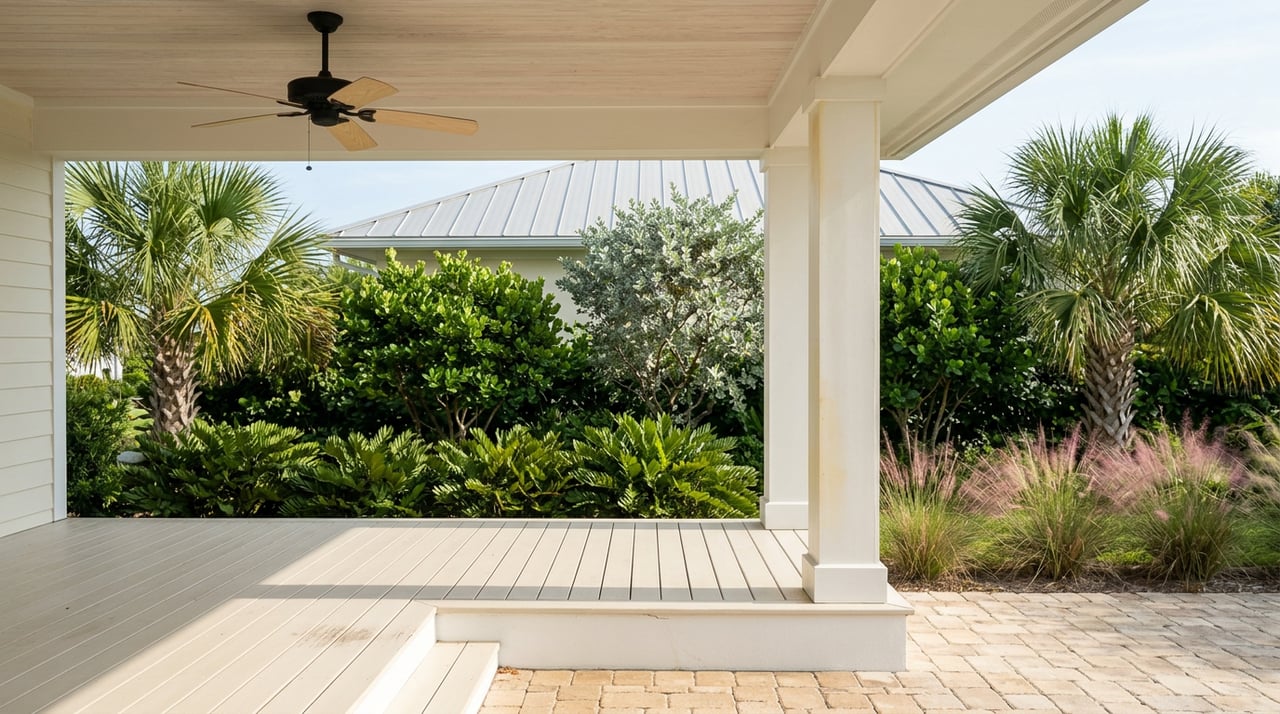
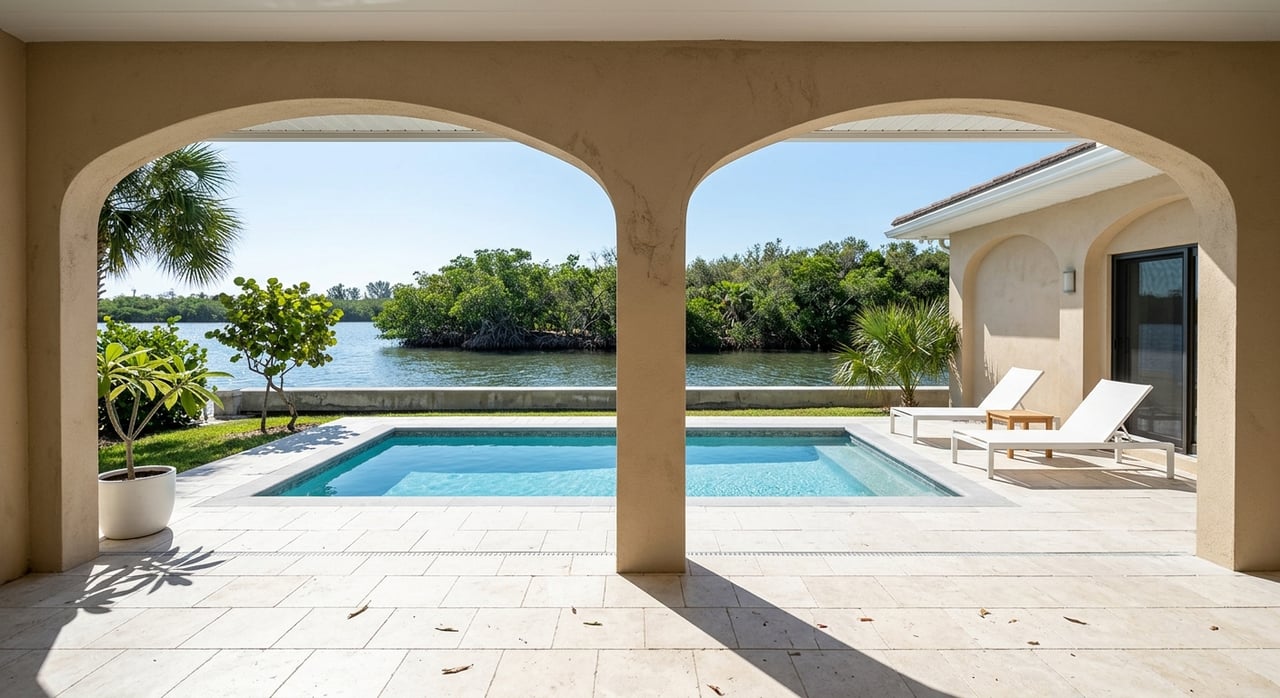
Both condos and townhomes can include amenities, but you should compare them carefully. A community pool, fitness area, clubhouse, storage space, or shared recreational feature may add convenience, but it also affects the community budget.
That means the right comparison is not just one monthly fee versus another. It is fee versus maintenance obligations versus amenities. A higher fee may be reasonable if it supports stronger maintenance coverage, broader insurance, or amenities you will actually use.
Your best choice depends on how you want to live in Sarasota. If you want less day-to-day maintenance and a setup that may work well for part-time use, a condo may be the stronger fit.
If you want a more house-like layout or a different mix of personal control and association involvement, a townhome may feel more comfortable. The key is to compare the legal structure and documents, not just the floor plan or curb appeal.
For many buyers, this decision is really about risk and responsibility. Do you want more of the future upkeep handled through an association structure, or do you prefer to take on more of it directly in exchange for a different fee setup?
Before you move forward on a Sarasota condo or townhome, ask focused questions that help you understand the full ownership picture.
Here are some of the most useful ones:
These questions can help you compare two properties that may seem similar at first glance but operate very differently once you own them.
In a market like Sarasota, details matter. A condo and a townhome can have very different ownership structures, maintenance obligations, and future cost exposure, even when they look nearly identical online.
That is where a data-driven local review can make a real difference. When you look beyond the photos and into the documents, fees, and market context, you are far more likely to choose a property that truly fits your budget and lifestyle.
If you are weighing condo or townhome living in Sarasota and want practical, numbers-based guidance, Angie Richison - Main Site can help you compare your options and move forward with confidence.
Stay up to date on the latest real estate trends.
Experience a data-driven, relationship-focused approach to real estate designed around your success.
ANGIE RICHISON
ADDRESS 415 SANDSEND CT APOLLO BEACH FL 33572