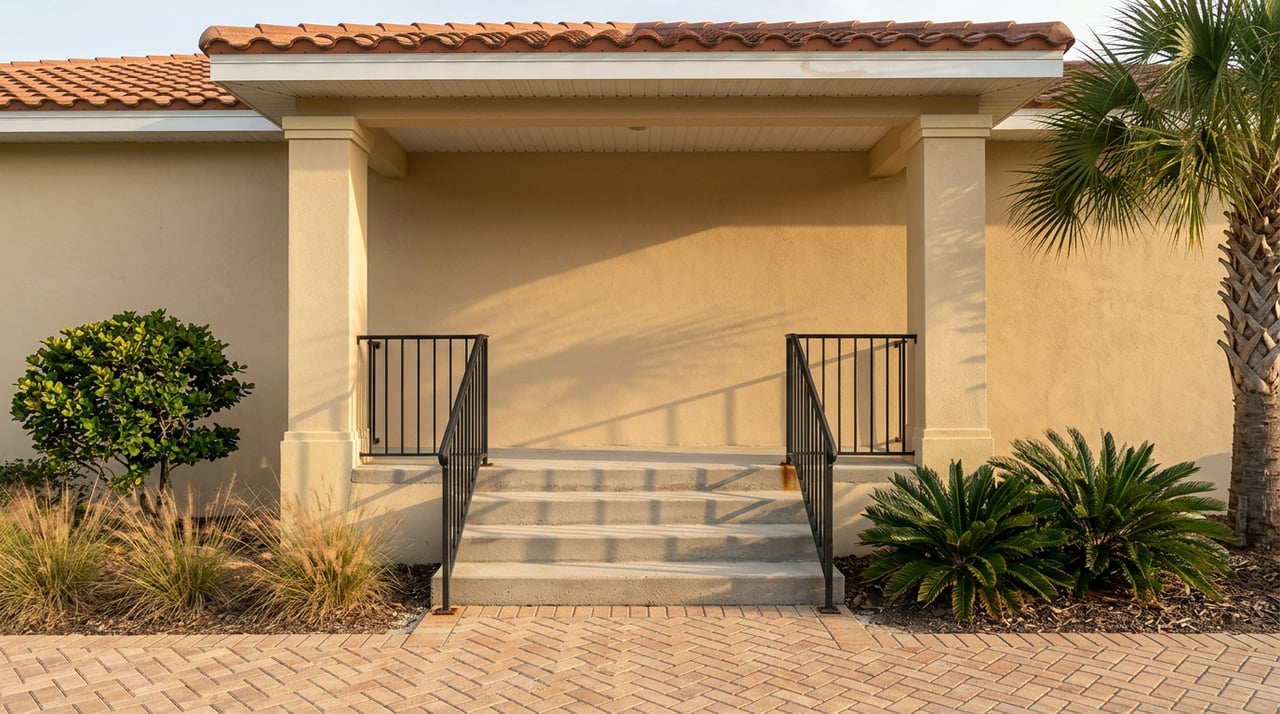
Apollo Beach's Median Price Is Hiding Two Different Markets
August 20, 2026
August 20, 2026
Two homes sell in Apollo Beach the same week. Both list for roughly the same price. Both close within a few percent of asking. Look them up on a market report six months later and you'd think they came from different towns.
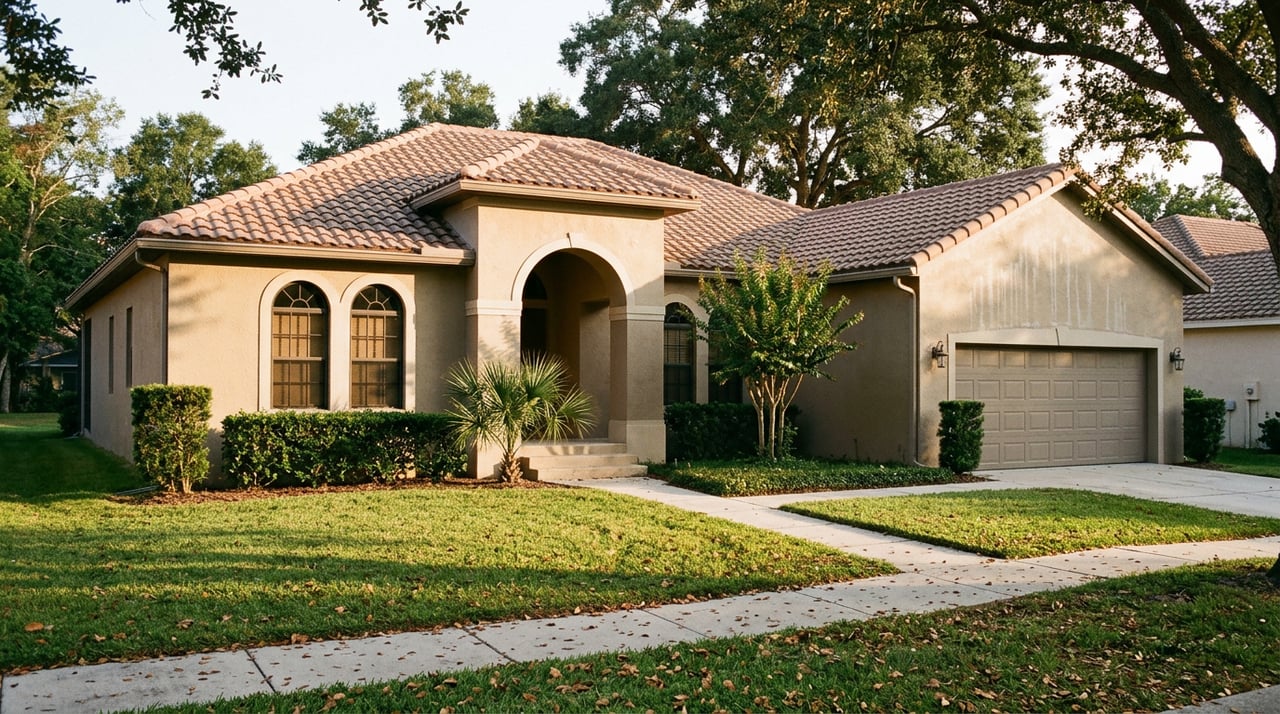
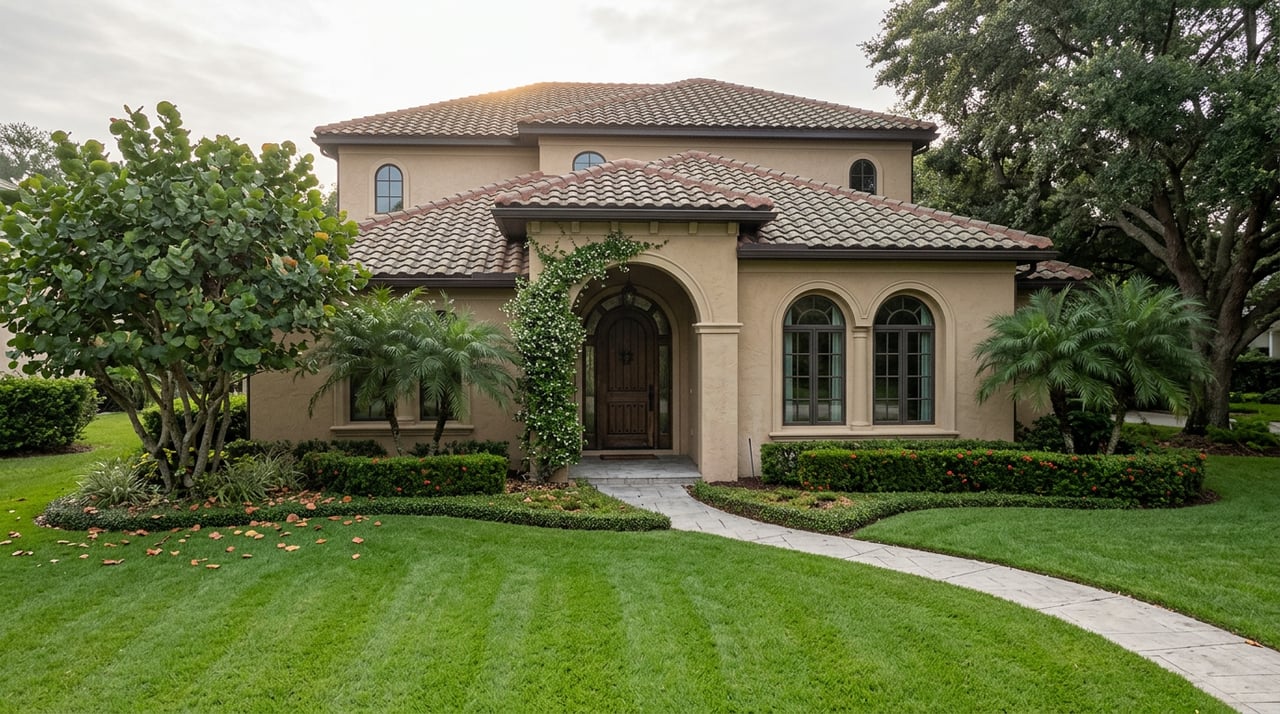
One sits on a canal off Apollo Beach Boulevard South, built in the late 1980s, block construction, original shingle roof. The other sits in Waterset, built after 2015, elevated pad, hip roof, hurricane straps rated to current Florida Building Code. After Hurricane Helene's storm surge in late September 2024 and Hurricane Milton's wind and flooding two weeks later, those two homes stopped behaving like the same market. The canal home lost value. The Waterset home barely moved. A single median price for "Apollo Beach" flattens that difference into one number, and that number is the least useful thing you can bring to a comparison right now.
As of the first week of August 2026, Redfin listed 143 waterfront homes for sale in Apollo Beach at a median asking price of $478,000, sitting on the market an average of 85 days, with 105 total Apollo Beach home sales recorded in the trailing month. Earlier in the year, the citywide sold-price trend read differently: as of March 2026, the median sale price stood at $495,000, up 6.1 percent year over year, with homes taking an average of 115 days to sell compared with 79 days the year before. Read as a single trend line stretching from March to August, that looks like a market cooling gently while still pricing up modestly.
Read as two markets, it tells a different story. One local market analysis covering the post-storm period found waterfront and canal-front properties down roughly 5 to 12 percent from pre-hurricane levels, with damaged as-is properties down 20 to 30 percent. The same analysis found non-waterfront communities like Waterset holding far steadier, down only 1 to 3 percent. A rising median with a widening days-on-market number isn't describing gentle cooling. It's describing a blended average of a segment that's recovering and a segment that's still absorbing storm damage.
The line that matters isn't waterfront versus inland. It's elevation and construction era, and the two hurricanes made that line visible.
Helene's storm surge hit the original canal neighborhoods hardest: the Flamingo Canal area near US-41, parts of Harbor Isles, sections of Symphony Isles, and the waterfront pockets of MiraBay. These are largely 1960s through 1980s concrete block homes with older shingle roofs, built before the Florida Building Code's post-2002 wind and flood standards existed. Milton followed with additional wind damage and flooding two weeks later, compounding what surge had already done.
Waterset, Andalucia, and Mirabella sit inland, off the canal system, at higher elevation. They're built to post-2002 code with hip roofs and hurricane strap construction as standard, not upgrades. They took wind damage, downed limbs, some drainage flooding from heavy rain, and came through the same two storms with far less structural impact.
That's the mechanism. A home's canal frontage doesn't reprice it. A home's elevation and the year its permit was pulled reprices it.
| Community type | Example neighborhoods | Typical construction era | Reported price movement since the 2024 storms |
|---|---|---|---|
| Original canal grid | Flamingo Canal/US-41 corridor, Harbor Isles, older Symphony Isles sections | 1960s–1980s block, older shingle roofs | Down roughly 5–12%, damaged as-is homes down 20–30% |
| Newer waterfront | MiraBay canal and bayfront sections | Post-2003, some elevated pads | Damage varied by section, generally less severe per home than older canal stock |
| Inland master-planned | Waterset, Andalucia, Mirabella | Post-2002 Florida Building Code | Down only 1–3%, described as holding value |
Even where the physical damage was modest, insurance underwriting is now pricing in the era and the elevation as hard as the flood zone does. Canal-front homes in AE flood zones are seeing flood premiums in the range of $2,500 to $6,000 or more a year. Bayfront properties in VE zones, where wave action is a factor, can exceed $8,000 a year. Inland properties in Zone X can run as low as $500 to $1,200 a year for flood coverage alone.
Wind mitigation credits stack on top of that. Newer construction in Waterset, MiraBay, Andalucia, and Symphony Isles with hip roofs, hurricane straps, and impact-rated openings qualifies for some of the largest premium reductions available in this part of Tampa Bay, according to LiveCovered. Older canal-front homes often need a 4-point inspection before a carrier will even quote, and some carriers restrict coverage outright once a roof passes a certain age.
None of this shows up in a median price. It shows up at the closing table, when a buyer's flood policy quote comes back three or four times higher than the buyer budgeted for.
One Q3 2026 brokerage market report put Apollo Beach at roughly 8.5 months of housing supply, past the six-month threshold that typically defines a buyer's market. That's a real number and it's worth knowing. But applied evenly across "Apollo Beach," it's another version of the median problem.
Eight and a half months of supply in a market recovering unevenly from two hurricanes doesn't mean every segment has equal negotiating room. Motivated sellers with storm-affected canal homes are the ones building that supply number and offering the deepest concessions on closing costs and repairs. Sellers in Waterset or Andalucia, where inventory barely moved and damage was mostly cosmetic, aren't necessarily negotiating from the same position. The supply number is real. Where it's concentrated is the part that matters to your offer.
A home's canal frontage doesn't reprice it. A home's elevation and the year its permit was pulled reprices it.
If you're comparing two Apollo Beach listings on price alone, you're comparing across a fault line that opened in the fall of 2024 and hasn't closed. A few things worth doing before you write or accept an offer:
Does being in a flood zone mean a home has flooded? No. Flood zone designation is a FEMA risk classification based on mapped elevation data, not a record of past flooding. A home can sit in an AE zone and have never taken on water, particularly if it was built above base flood elevation. Ask directly about flood history and check available claims records rather than relying on the zone letter alone.
Is the whole Apollo Beach market still recovering from the 2024 hurricanes? Not evenly. Inland and elevated communities were back to normal appreciation patterns well before this. The recovery is concentrated in the older canal-front segment, which is exactly why a market-wide median understates how healthy parts of Apollo Beach already are.
Should I check both the FEMA flood zone and the county evacuation zone? Yes, and they're different maps. Florida's Know Your Zone tool covers county evacuation zones. A property can carry a moderate insurance zone and still sit in an early evacuation zone, so check both for any address you're serious about.
If you're weighing a canal-front deal against an inland one, or trying to figure out what your specific Apollo Beach home is actually worth in this split market, Angie Richison can walk you through the real comps, not the headline median. Request a free market analysis and get a read on where your property sits, not just where the neighborhood average lands.
This article is general information, not legal, tax or financial advice. Consult a qualified professional about your situation.
Stay up to date on the latest real estate trends.
Experience a data-driven, relationship-focused approach to real estate designed around your success.
ANGIE RICHISON
ADDRESS 415 SANDSEND CT APOLLO BEACH FL 33572