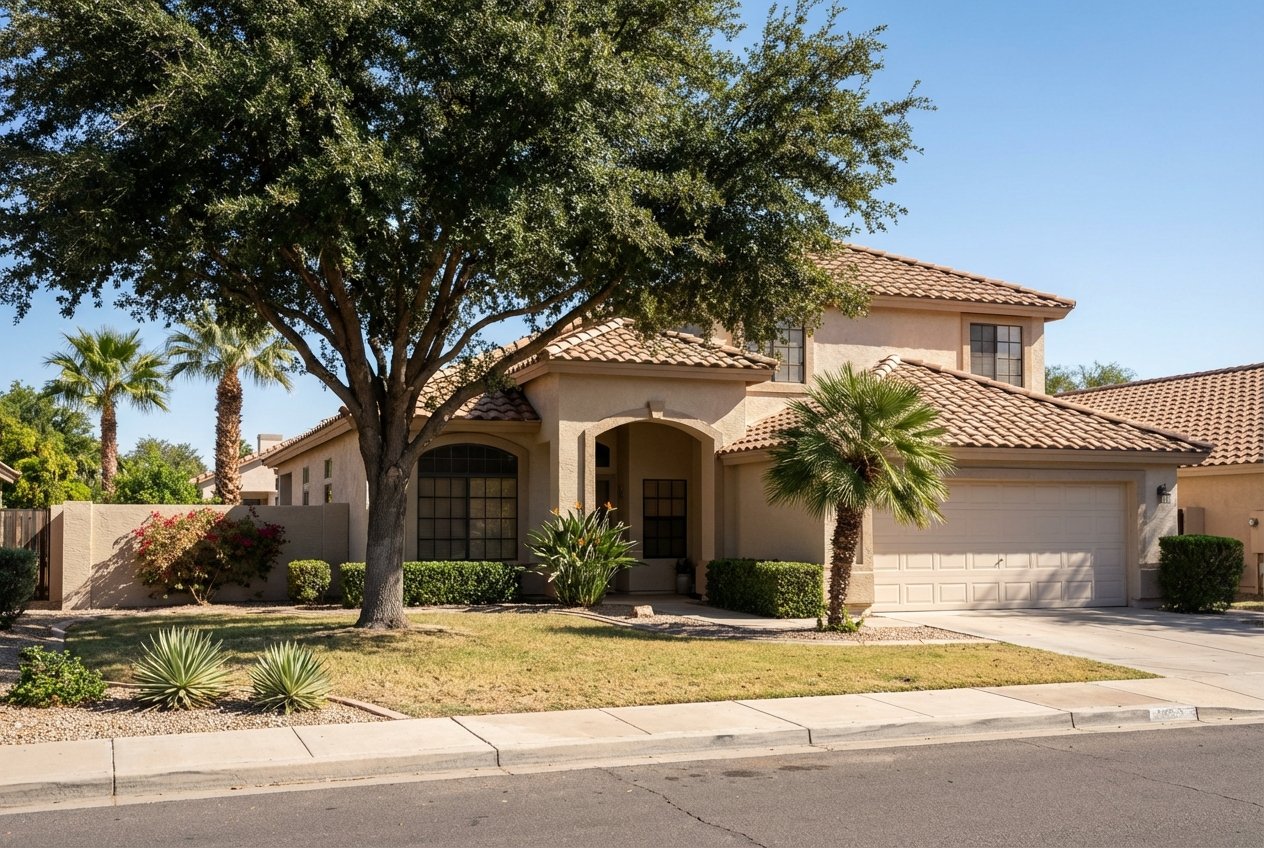
Comparing Tampa Neighborhoods For Move-Up Homebuyers
February 19, 2026
February 19, 2026
You’ve outgrown your starter home, and choosing the right Tampa neighborhood now feels like a high‑stakes puzzle. You want more space, a smoother commute, thoughtful amenities and confidence that your next move supports long‑term value. This guide compares popular Tampa and Hillsborough County areas move‑up buyers ask about most, with clear pros, tradeoffs and a practical checklist. You’ll leave with a short list and a plan to verify the details that matter to your family. Let’s dive in.
School attendance zones can shift, and small boundary lines can impact pricing. Always confirm the specific address on the Hillsborough County Public Schools boundary viewer before you offer. Use the district’s tool to check elementary, middle and high school assignments for your exact home search. You can access the official viewer on the district site at the HCPS boundary viewer.
Drive times in Tampa vary more by route and rush‑hour patterns than by simple distance. If Downtown, Westshore, TPA or USF are in your daily mix, test drives from candidate addresses during morning and evening peaks. A 20‑minute mid‑day drive can stretch much longer at 8 a.m. or after 5 p.m.
Older suburbs often offer larger lots and mature trees. Master‑planned communities replace some yard space with community pools, trails and organized amenities. Decide how you live day to day. If a private yard for pets or a future pool tops your list, lot size and setbacks deserve extra attention. If neighborhood pools and trails fit your lifestyle, HOA amenities can be a real plus.
Proximity to walkable retail, parks and dining can shape daily life and future resale. South Tampa’s Hyde Park Village offers a concentrated retail and dining core that anchors the area’s appeal, as highlighted in this Hyde Park Village profile. Seminole Heights leans into independent restaurants and breweries clustered along Florida and Nebraska avenues, which you can sample with this Seminole Heights dining roundup.
Low‑lying and waterfront areas require careful flood due diligence. Check FEMA designations and review local guidance on floodplain rules and preparedness through the City of Tampa’s resource hub at Tampa flood information. For budgeting, review the last two to three years of property tax bills and any non‑ad valorem assessments using the county’s tools at Hillsborough County Tax Collector.
Each snapshot gives you the quick context move‑up families ask for: feel, typical price bands, commute notes, lot patterns and lifestyle highlights. Treat prices as neighborhood‑level ranges, not exact comps, and verify current values when you’re ready to write an offer.
Westchase is a large, master‑planned community in northwest Tampa with village centers, pools, trails and a golf club. The feel is suburban with organized amenities and a walkable core in West Park Village, as outlined in the Westchase community overview. For single‑family homes, expect many move‑up options in the $450K to $650K range depending on sub‑village, updates and lot. Lots are modest suburban sizes, and many homes fall under neighborhood HOAs that maintain amenities and common areas.
Commutes typically range from about 15 to 40 minutes to Downtown or Westshore depending on traffic patterns. Travel to Tampa International and Westshore job centers is often more direct than from many eastern suburbs. Properties are served by Hillsborough County Public Schools, and assignments vary by block. Always confirm the exact address using the HCPS boundary viewer.
Move‑up fit: You want newer construction, community amenities, and a suburban feel with access to Westshore and TPA. You are comfortable with HOA structures and fees.
New Tampa includes master‑planned neighborhoods northeast of Downtown. Tampa Palms and Hunter’s Green offer larger floor plans, community amenities and access to regional parks. For a sense of neighborhood structure and offerings, see the Tampa Palms local guide. Move‑up single‑family homes commonly run from about $400K to $750K depending on lot, age and renovations.
Lots often feel larger than in denser urban pockets, and many homes sit on roughly 0.15 to 0.33 acre parcels. Commutes to Downtown generally fall in the 25 to 35 minute range with heavier peak traffic to Westshore. School feeder patterns differ by village, so verify any address with the HCPS boundary viewer.
Move‑up fit: You want interior space, larger yards and community amenities. You’re comfortable with a longer drive to Westshore in exchange for more home and nearby nature.
Carrollwood is a mature north‑central suburb with oak‑lined streets and a range of 1970s to 1990s homes. Neighborhood guides place many sub‑areas in roughly the $350K to $650K range, with Carrollwood Village often commanding a premium, according to this Carrollwood market overview. Lots here frequently run larger, around 0.20 to 0.50 acres, which makes pools and additions more feasible.
Commutes to Downtown can be about 15 to 25 minutes depending on route and time of day, with convenient access to the Veterans Expressway and Dale Mabry. School assignments vary by block within Hillsborough County Public Schools, so confirm each address. Many buyers choose Carrollwood for its balance of yard space, central location and established amenities.
Move‑up fit: You want more land and a central location without South Tampa pricing. You like mature trees and are open to updating an older home.
Seminole Heights sits just north of Downtown and blends early‑20th‑century bungalows with new infill construction. The local dining and brewery scene is a major draw, with favorites mapped in this Seminole Heights guide. Prices vary widely by block and condition. Expect a broad range from around $300K for homes needing work to $600K and up for renovated properties.
The commute to Downtown is short, often in the 5 to 15 minute range depending on your exact address. Lots are typically compact, and older systems can require more maintenance planning. School assignments vary by street, so verify each property with the HCPS boundary viewer.
Move‑up fit: You want character, walkable dining and a quick jump to Downtown. Yard size is a lower priority, and you’re prepared to budget for older home systems if needed.
South Tampa is among the city’s priciest areas. It offers walkable retail like Hyde Park Village, highlighted in this Hyde Park Village profile, plus the Bayshore waterfront path and easy access to central job centers. Pricing varies by micro‑location. In Hyde Park, larger move‑up homes commonly start around the $600Ks and rise. In Palma Ceia, many single‑family properties fall in the upper six figures to well over $1M depending on street and lot. On Davis Islands, median values often exceed $1M to $2M due to waterfront estates.
Lots can be smaller, and flood and insurance considerations are more prominent in low‑lying and bay‑adjacent pockets. Use the City’s resource page to understand local flood mapping and preparedness at Tampa flood information. Properties in the Plant High attendance area have historically carried a pricing premium in local market guides, which you can explore further in this South Tampa overview. Verify the specific address assignment with the district before you rely on it.
Move‑up fit: You value walkability and a central lifestyle and are prepared for higher price points and diligent flood and insurance review.
Brandon, just east of Tampa in Hillsborough County, is a popular move‑up choice for buyers who want more house and yard for the budget. The area blends older and newer subdivisions, shopping and everyday services, as seen in this Brandon local guide. Many sub‑areas show medians in the high $300Ks to low $400Ks, which often translates to more interior square footage and a larger lot versus South Tampa.
Typical suburban lots range from about 0.15 to 0.40 acres. Commutes to central Tampa job centers can run about 20 to 35 minutes depending on time of day and route. School assignments vary by neighborhood, so confirm the exact address with the district tool.
Move‑up fit: You want space and value and accept a longer commute for more interior square footage and yard.
Use this short list to turn a favorite neighborhood into a confident purchase:
If you’re weighing Westchase against Carrollwood, or New Tampa against South Tampa, a short planning session can save you weeks. We’ll map your commute, verify school boundaries and analyze lot and HOA tradeoffs. Then we’ll pull address‑level comps and a flood, tax and insurance preview so you can write the right offer with confidence. Ready to build your move‑up game plan? Connect with Angie Richison - Main Site for a brief consult and a tailored neighborhood short list.
Stay up to date on the latest real estate trends.
Experience a data-driven, relationship-focused approach to real estate designed around your success.
ANGIE RICHISON
ADDRESS 415 SANDSEND CT APOLLO BEACH FL 33572